- Flooring
Flooring for Missoula Homes: A Local Guide to What Works in Western Montana
July 25, 2026
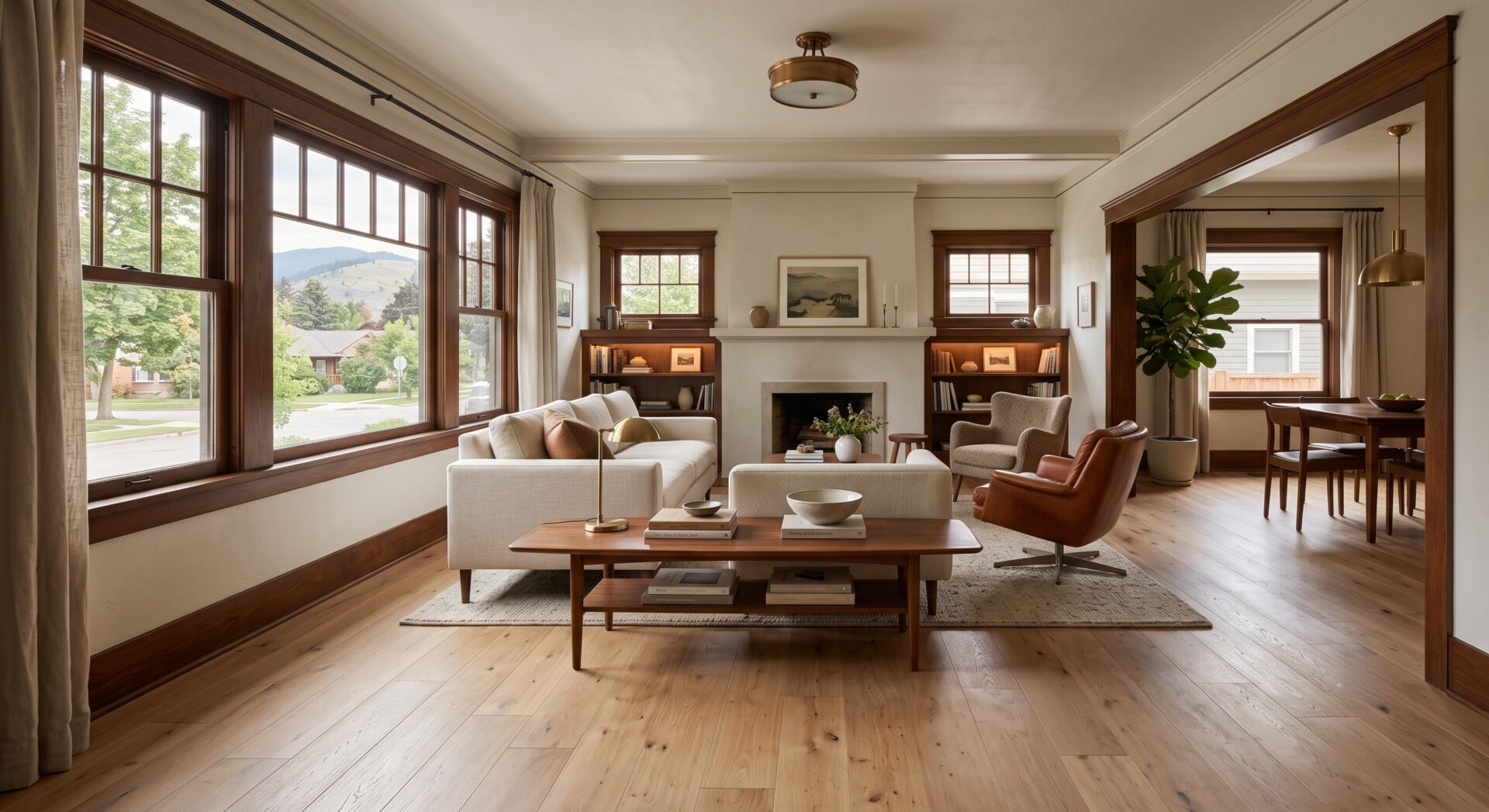
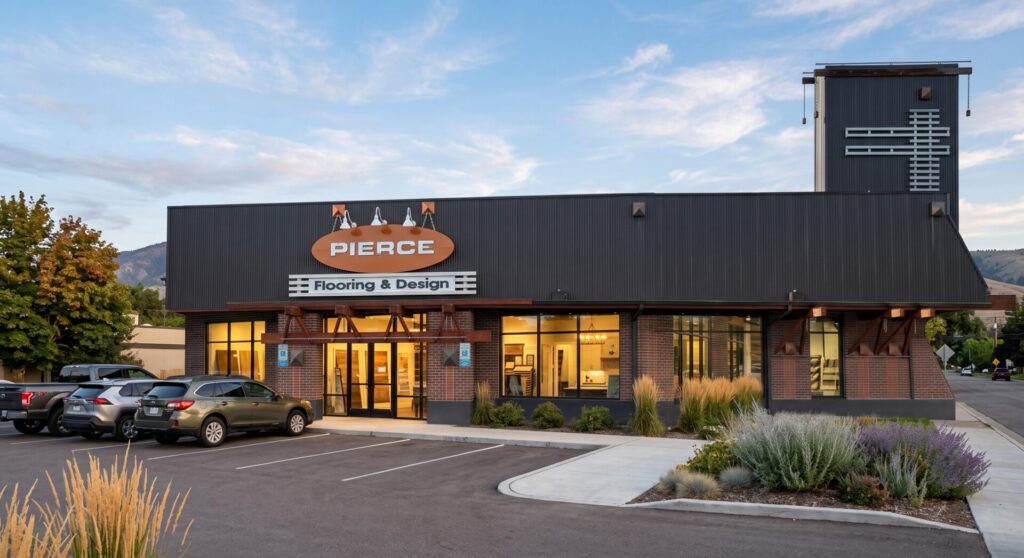
Ask a national flooring chain what the best floor is for a 1940s bungalow in the University District, and you will get a brochure. Ask the Pierce Flooring team at 1906 Brooks Street, and you will get an answer that accounts for what that house actually sees: spring snowmelt humidity from the Rattlesnake Wilderness draining into the Clark Fork, dry summers that pull moisture back out of wood floors, and a crawl space that may or may not have a vapor barrier depending on when it was last touched.
Western Montana flooring is a different conversation than the rest of the state. Missoula sits in a mountain valley at the confluence of three rivers, and the Clark Fork corridor creates a seasonal moisture cycle that Billings and Bozeman homes simply do not experience. This guide covers what that means for every major flooring category and why the house you own in Missoula shapes the answer more than any national trend chart.
Schedule a free in-home measurement at (406) 543-8224 — our Missoula team comes to you.
Why Missoula’s Climate and Housing Stock Change the Flooring Equation
Missoula’s valley geography traps weather systems. Spring snowmelt from the Rattlesnake Wilderness and the surrounding Bitterroot, Garnet, and Sapphire ranges raises ambient humidity through April and May in ways that mountain towns at higher elevations do not experience. Indoor relative humidity in a Missoula home without active management can reach 55-65% in spring — well above what hardwood floors prefer — then drop to 20-25% by August as dry summer air settles in.
That 40-point seasonal humidity swing is the first variable any flooring recommendation has to account for. Solid hardwood — a product that performs beautifully in stable climates — is a more demanding choice in a Missoula home than almost anywhere else in Montana. The floor moves. In a properly installed and maintained floor, that movement is controlled. Without proper installation and humidity management, spring means cupping and summer means gapping.
Missoula’s housing stock compounds this. The University District, Rattlesnake neighborhood, and South Hills contain a high concentration of pre-WWII bungalows and Craftsman homes with original hardwood, subfloors installed when tolerances were looser, and crawl spaces that can function as direct humidity conduits from ground to living space. A 1925 bungalow on Arthur Avenue is a genuinely different flooring project than a new build in the Bitterroot Valley.
Pro-Tip from the Pierce Flooring Missoula Team: The question we get most often in our Brooks Street showroom is whether to restore the original hardwood or replace it entirely. In most University District and Rattlesnake homes, the answer is restore if the wood is structurally sound and the crawl space has a vapor barrier. If the crawl space is open and the boards are cupped beyond refinishing tolerance, we start a different conversation about engineered hardwood or SPC over a moisture barrier. The house tells you what it needs.
What Works Best by Flooring Category in a Missoula Home
Engineered Hardwood — The Right Choice for Above-Grade Living Spaces
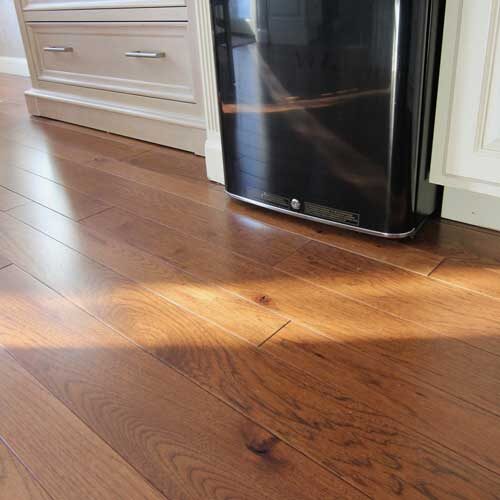
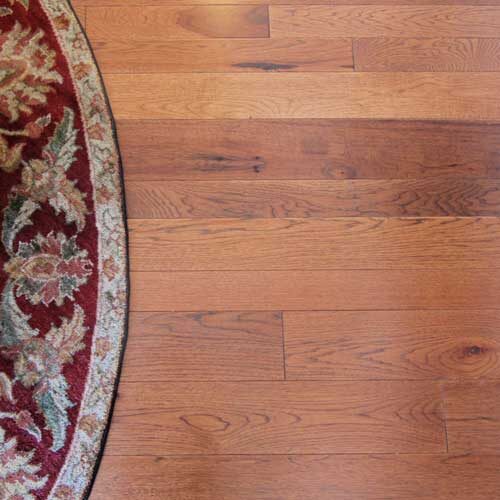
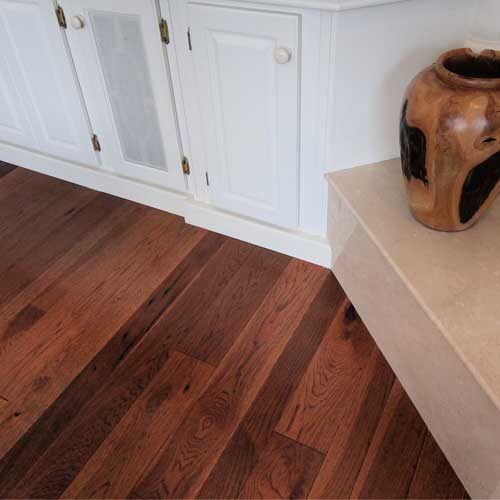
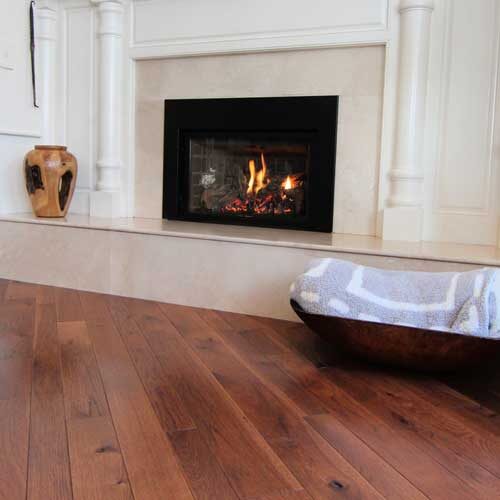
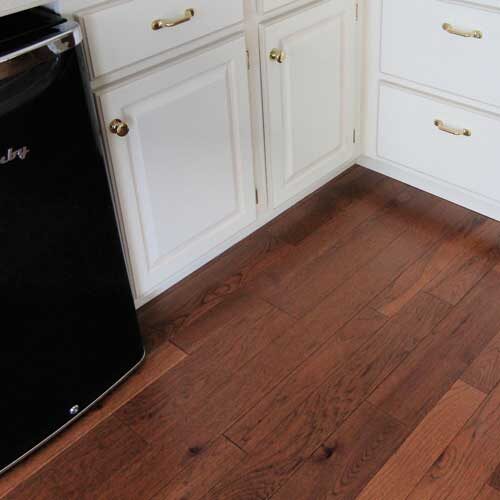
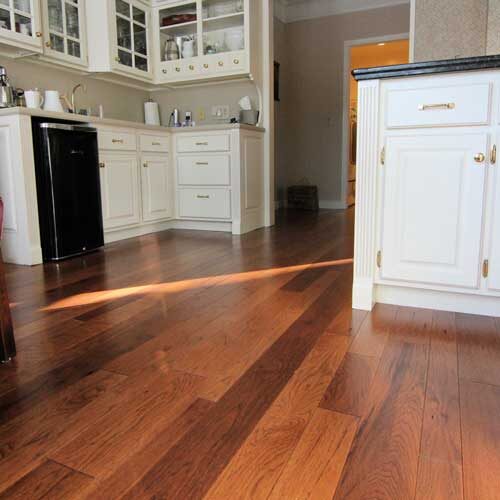
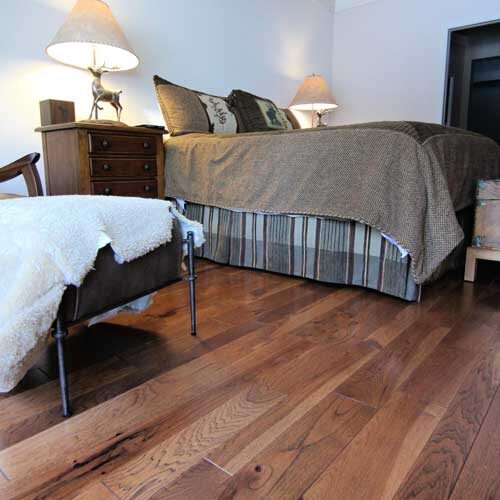
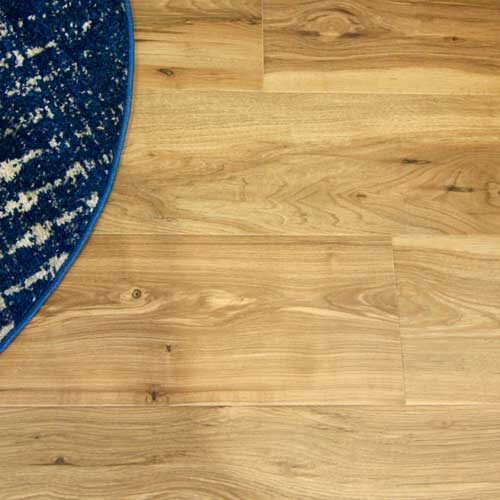
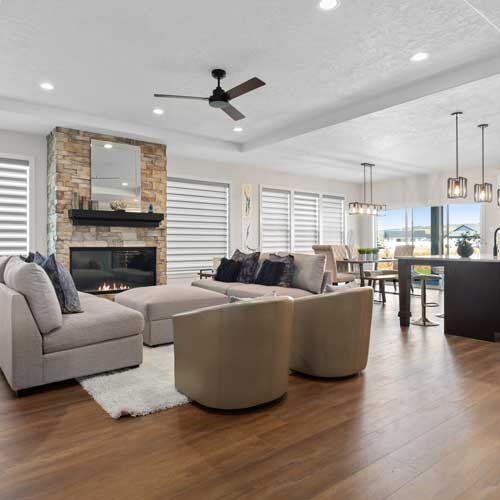
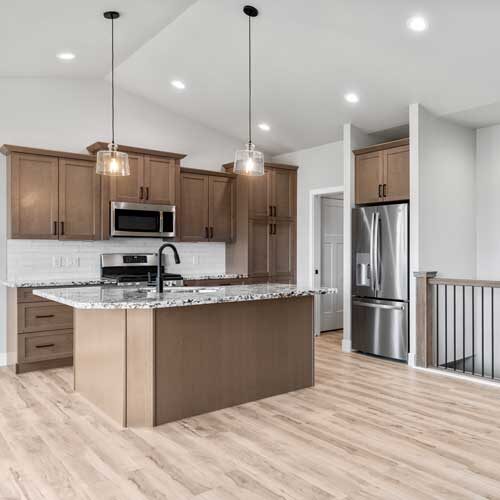
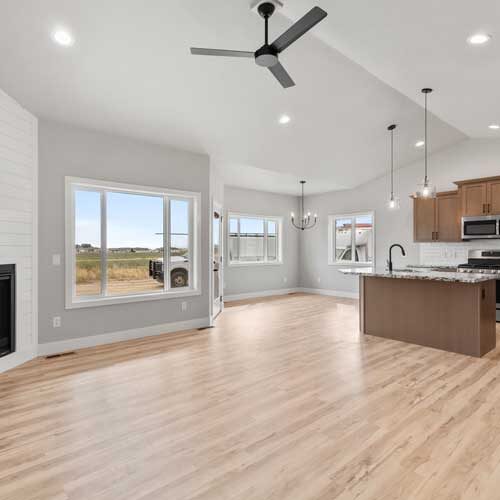
Engineered hardwood is the product category best suited to Missoula’s humidity profile for above-grade living areas. Its cross-ply plywood core handles the valley’s 40-point seasonal swing better than solid hardwood. Hard-species veneers — white oak, hickory, and maple — perform best. Anderson Tuftex, Kahrs, and DuChateau produce engineered hardwood collections with the dimensional stability that Western Montana conditions demand.
For older Missoula homes, engineered hardwood also offers a practical advantage: it can be installed as a floating floor over an imperfect subfloor when variation is within tolerance. A University District bungalow with original fir subfloor that is mostly flat can often receive a floating engineered hardwood installation where solid hardwood would require more extensive and expensive prep. The floating installation tolerance for most engineered hardwood is 3/16-inch variation over 6 feet. Adhesive-down (glue-down) installations require tighter tolerances — typically 3/16-inch over 10 feet — confirm the specific product’s specification before committing to an installation method.
The National Wood Flooring Association (NWFA) recommends maintaining indoor humidity between 35-55% year-round for engineered hardwood. In Missoula, that means a dehumidifier running during spring snowmelt season and a humidifier during the dry August-September stretch. A hygrometer in each room gives you real readings — Missoula’s valley geography means your home can read significantly higher than outdoor conditions suggest.
LVP and SPC — For Below-Grade Spaces, Kitchens, and High-Moisture Zones
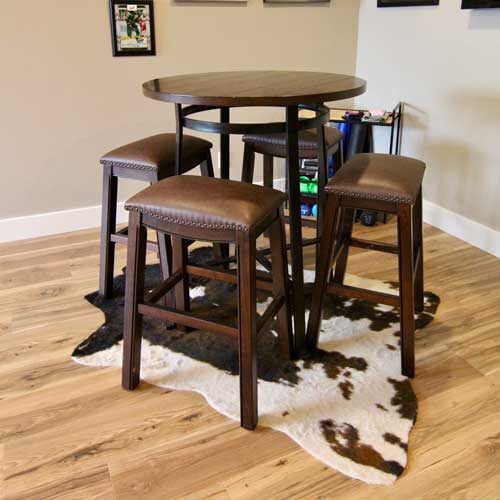
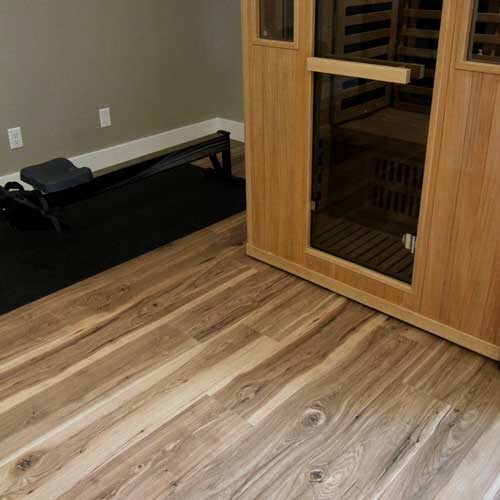
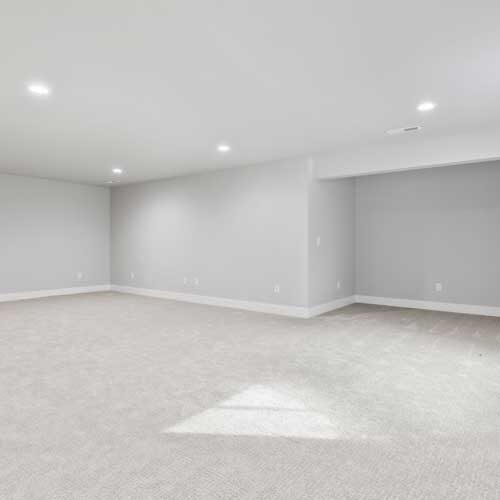
Missoula homes with finished basements face a consistent challenge: the Clark Fork valley’s water table and clay soils mean even well-constructed basements see higher ambient moisture than comparable spaces in drier Montana cities. SPC (rigid-core LVP) is the appropriate product for any Missoula below-grade space. Its limestone-infused rigid core handles moisture migration from below without the dimensional response that causes problems in standard LVP or engineered hardwood.
Above grade, LVP and SPC are strong choices for kitchens, mudrooms, and bathrooms in older Missoula homes where subfloor flatness is inconsistent. The self-leveling compound and SPC combination is a reliable renovation path for University District homes that need a durable, waterproof surface without the expense of full subfloor replacement. For a deeper look at how below-grade moisture affects flooring choices across Montana, see our guide to waterproof flooring for Montana basements.
Mohawk and Cali produce SPC collections with the wear-layer thickness and dimensional stability Missoula conditions require. For households with dogs, outdoor enthusiasts tracking in Rattlesnake trail mud, or families with young children, a 20+ mil wear-layer SPC floor is among the most practical investments a Missoula homeowner can make.
Carpet — Still the Right Choice for Bedrooms and Rental Properties
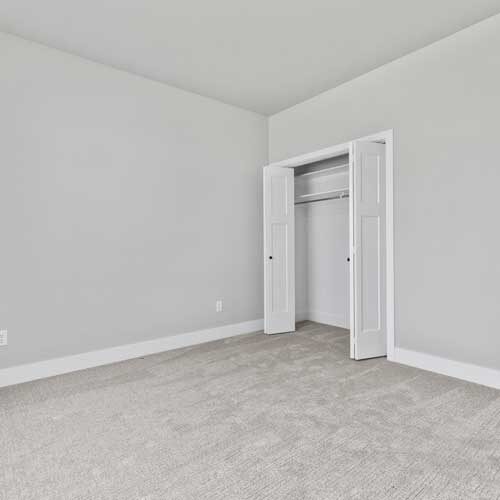
Carpet remains the dominant choice for Missoula bedrooms, and for good reason. Missoula winters are cold — the valley traps inversions that keep cold air at ground level — and carpet’s thermal resistance makes bedrooms materially warmer than hard-surface alternatives.
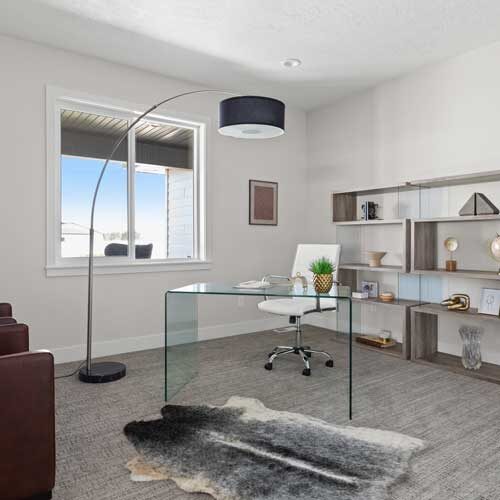
For Missoula bedrooms, specify solution-dyed nylon carpet — a construction where color runs through the fiber rather than being applied to the surface, which provides the best stain resistance for Missoula’s humidity-variable environment. Stainmaster and comparable performance warranties are available on solution-dyed nylon lines. Pair it with a mold-resistant synthetic pad; synthetic pads outperform memory foam in high-moisture climates.
For Missoula’s substantial rental market — the University of Montana drives one of the highest renter-to-owner ratios in the state — commercial-grade or high-traffic carpet with a low pile and dense construction handles tenant turnover better than residential plush. A denser, lower-pile carpet cleans more easily between tenancies and maintains its appearance through higher foot traffic.
Tile — For Bathrooms, Mudrooms, and Entryways
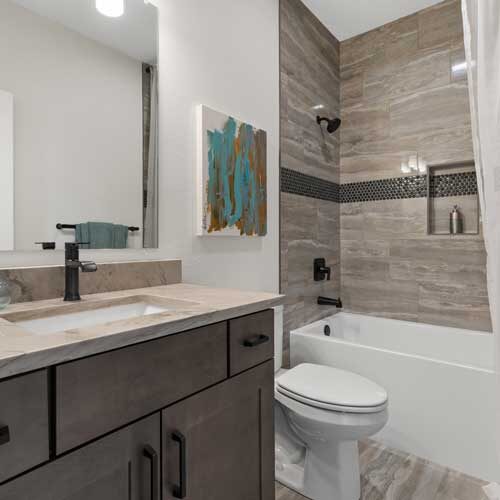
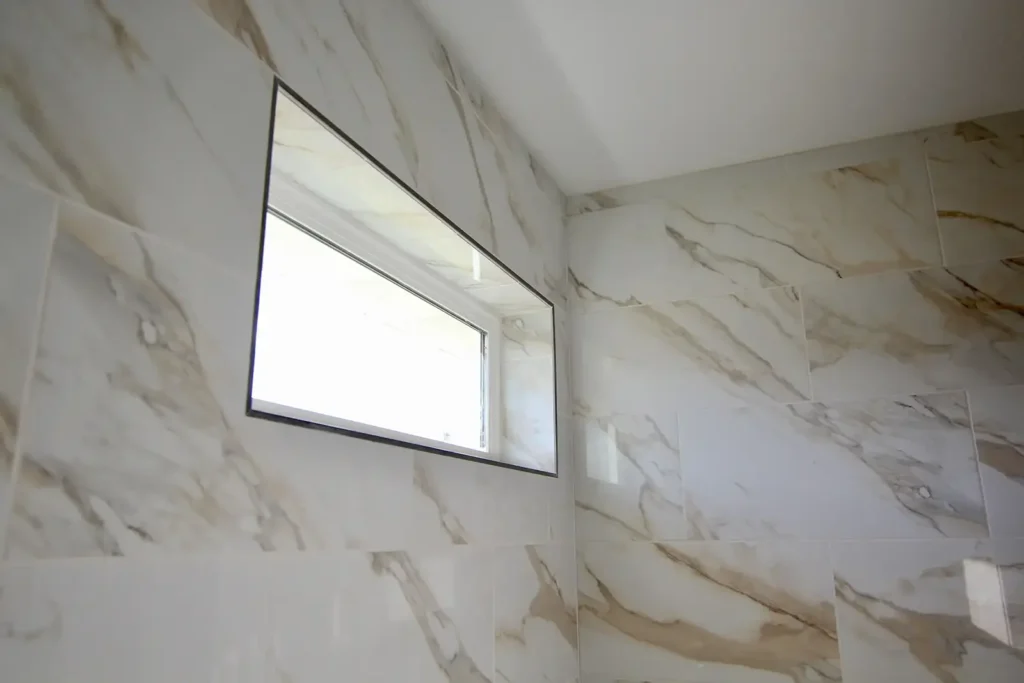
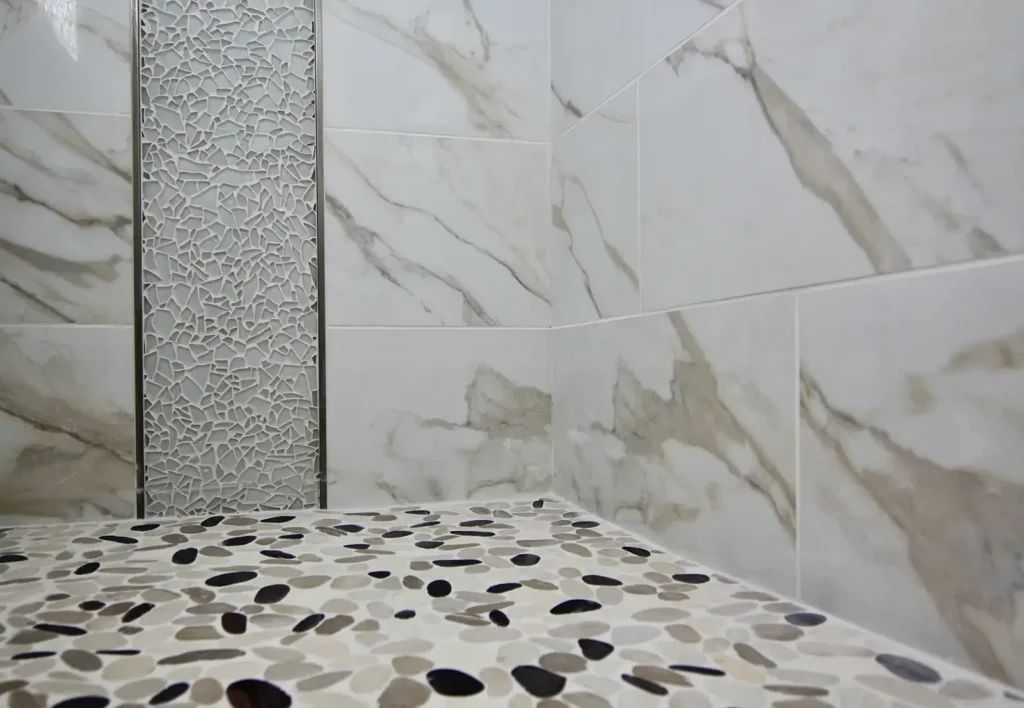
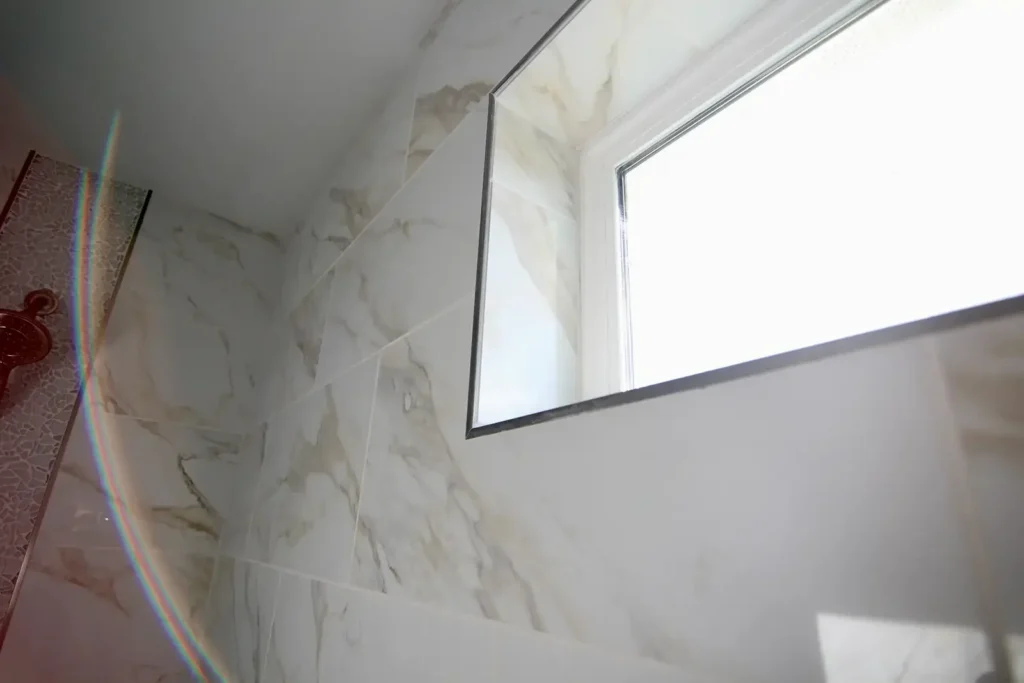
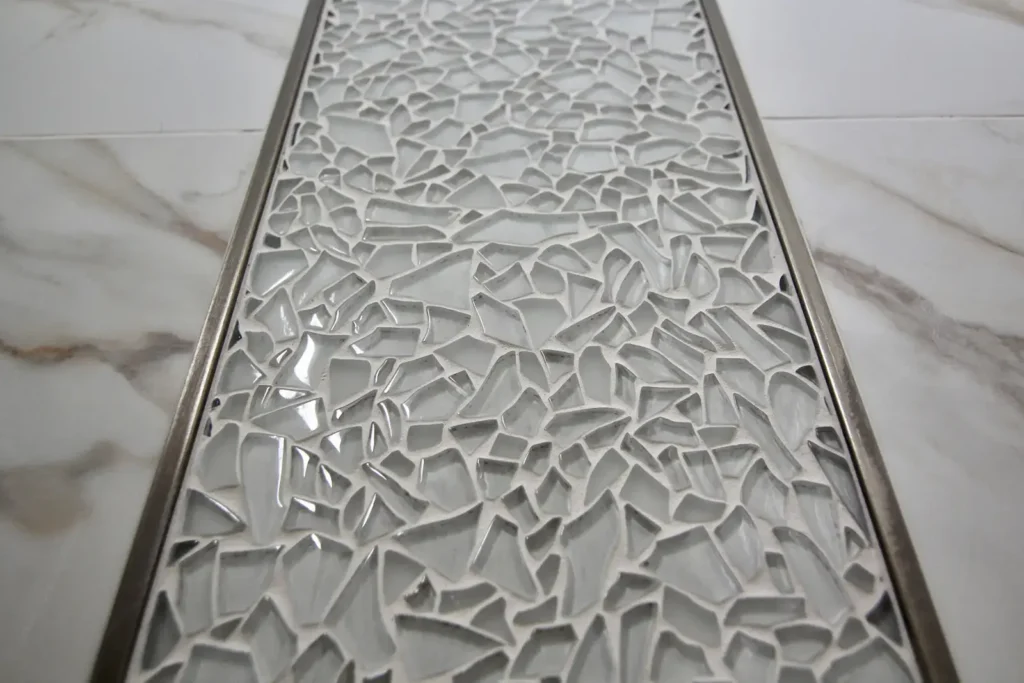
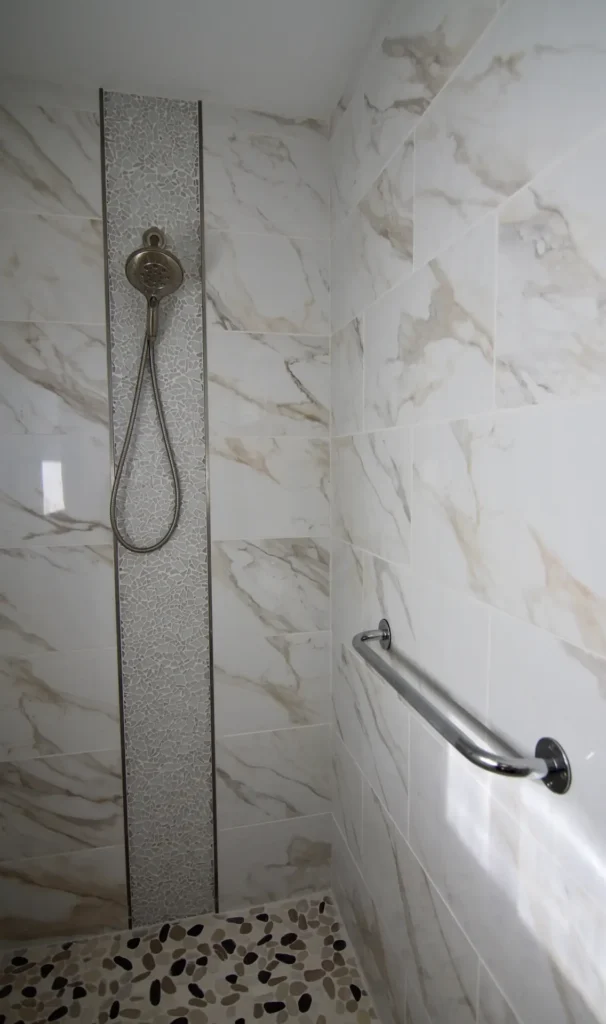
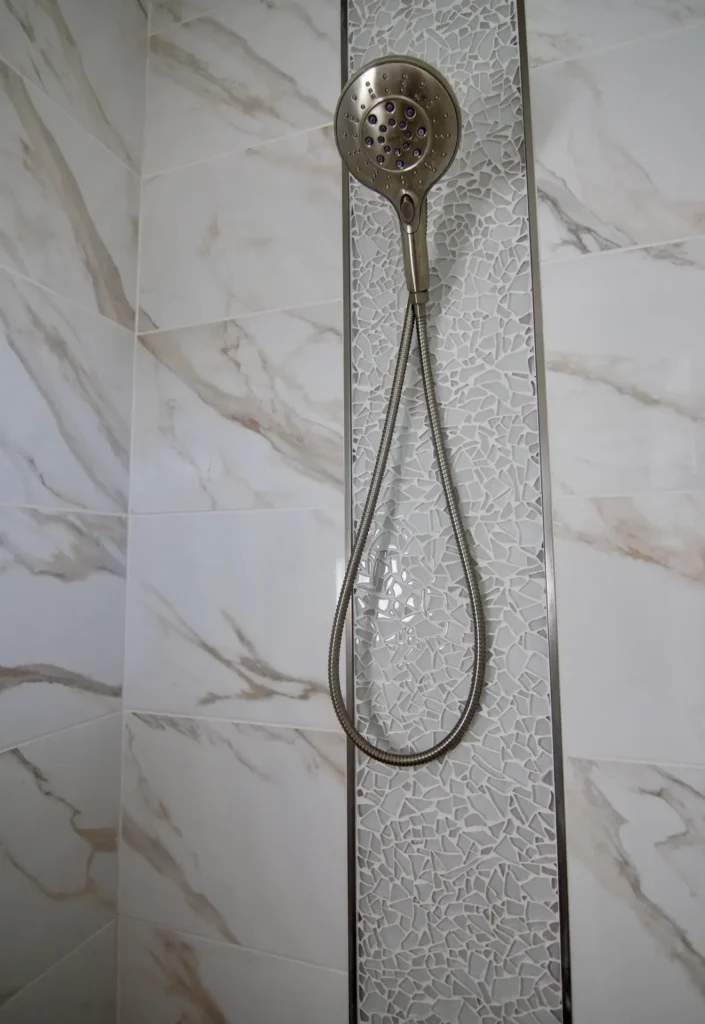
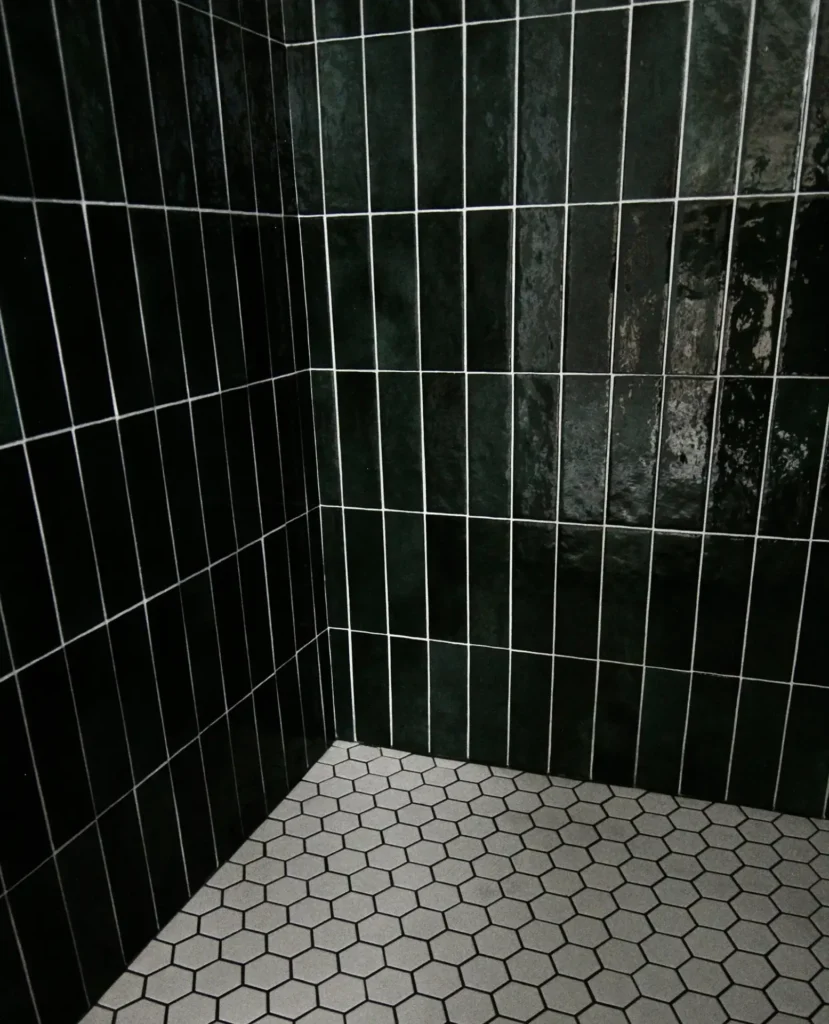
Porcelain tile is the low-maintenance, long-duration choice for Missoula bathrooms and exterior-adjacent entry areas. Its water absorption rate below 0.5% per ANSI A137.1 makes it appropriate for the moisture exposure older Missoula homes experience. Emser, MSI, and Florida Tile porcelain collections at the Pierce Flooring Missoula showroom cover the range from budget-practical to design-forward. For mudroom and entryway applications — the first line of defense against Missoula mud season and winter boot traffic — textured or matte-finished porcelain with a wet COF above 0.60 provides the traction smooth surfaces do not. See our Bozeman bathroom tile guide for detailed grout and installation guidance that applies equally to Missoula tile projects.
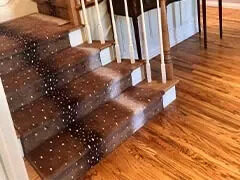
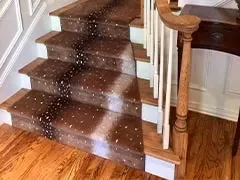
“Pierce Flooring was excellent to work with. Eric Hansen answered all my questions and made excellent suggestions when we told him what we were looking for. Leo’s crew did a great job finishing the work in 2 days, they stayed and got the job done. They removed the old carpet and placed the new and cleaned everything up, all we had to do was admire the beautiful carpet.”
Belle B. — Carpet Installation
The Older Home Factor: What Changes in a Pre-War Missoula Bungalow
Missoula’s most desirable neighborhoods — University District, Rattlesnake, South Hills, and the Cooper Street corridor — are full of homes built before 1960. These homes have character. They also have subfloor conditions, moisture profiles, and structural quirks that change every flooring recommendation.
Here is what the Pierce Flooring Missoula team checks on every in-home measurement in an older Missoula property.
Crawl space condition. A Missoula bungalow with an unencapsulated crawl space is a humidity pump. Ground moisture rises through the floor system and raises indoor humidity in the rooms above — particularly in spring. Before any flooring recommendation is finalized, crawl space condition matters. A 10-mil minimum reinforced polyethylene vapor barrier on the crawl space floor is the single most cost-effective moisture mitigation for a University District home. Six-mil poly meets minimum code in many jurisdictions but tears more easily and performs less reliably over time.
Subfloor flatness. Original fir or pine subfloor boards in a 1930s home have had 90 years to move, settle, and develop humps and valleys. Self-leveling compound addresses most variation, but over old fir or pine boards it requires a primer coat first — bare wood absorbs the compound unevenly without priming, leading to inconsistent coverage. For severe cases, minimum 1/4-inch underlayment-grade plywood fastened at 6-inch intervals around the perimeter and 8-inch intervals in the field provides a stable base.
Original hardwood assessment. If the home has original hardwood under carpet, the Pierce team assesses whether it can be refinished before recommending replacement. Many University District and Rattlesnake homes have 2-inch original fir or oak that, if structurally sound and of adequate thickness, is worth restoring. Refinishing in place preserves the character of the house and is typically more economical than full replacement.
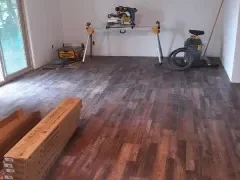
“All of the staff at Pierce Flooring and Design were very knowledgeable and helpful in our decisions on choosing the perfect hickory laminate flooring, transition pieces and underlayment. All of Renee and Tracy’s suggestions were spot on.”
Craig M. — Hickory Laminate Flooring
Maintaining Your Missoula Home’s Floor Through the Seasons
Seasonal maintenance in Missoula follows the valley’s humidity cycle, not a calendar. Spring is the highest-risk season for hardwood and engineered hardwood — the Clark Fork snowmelt raises valley humidity, and any floor installed without proper moisture management shows it as cupping or face-nail popping in bungalow subfloors.
Run a dehumidifier in main living areas from March through May. Target 45-50% relative humidity during this window. A hygrometer gives you a real reading — Missoula’s valley geography means your home can read 20% higher than outdoor conditions suggest, particularly in homes with crawl spaces.
From July through September, Missoula’s dry summer air pulls indoor humidity back down. A humidifier in bedrooms and main living areas during this stretch keeps engineered hardwood within its stability range and prevents the summer gapping older Missoula homes can develop between boards.
For LVP and SPC floors, dry sweep or vacuum (without a beater bar on hard surfaces) daily during mud season — March through May. Wet mopping on hardwood or engineered hardwood during this high-humidity window compounds the moisture problem. Use pH-neutral cleaners and damp-mop only.
The Resilient Floor Covering Institute (RFCI) recommends water-based cleaning for all LVP products.
For tile in Missoula bathrooms and entryways: seal sanded grout annually in early fall, before the heating season begins and temperature differentials start driving moisture through grout joints. A penetrating sealer takes 20 minutes and prevents the staining and efflorescence that Missoula’s seasonal moisture cycle would otherwise deposit over time.
Frequently Asked Questions
What is the best flooring for a Missoula bungalow or older home?
It depends on where in the house and what the subfloor and crawl space look like. For above-grade living areas in University District and Rattlesnake homes, engineered hardwood with a hard-species veneer is the most authentic and durable choice — provided the crawl space has a vapor barrier and the subfloor is within flatness tolerance. For kitchens, mudrooms, and below-grade spaces, SPC LVP is the practical and waterproof alternative. The Pierce Flooring Missoula team assesses both during every free in-home measurement.
How does Missoula’s humidity affect hardwood flooring?
Missoula’s spring snowmelt season raises valley humidity to 55-65% in some homes — above the NWFA’s recommended 35-55% range for wood floor stability. Without a dehumidifier running from March through May, engineered hardwood and solid hardwood floors can cup slightly at edges. The dry August-September stretch drops humidity to 20-25%, which causes gapping. Managing this cycle with a dehumidifier in spring and a humidifier in late summer keeps floors within their designed movement range.
Should I restore my original hardwood or replace it?
If the existing hardwood is structurally sound, at least 3/4-inch thick, and not cupped beyond the refinishing tolerance (roughly 3/16-inch), restoration is almost always the better choice. Original fir and oak floors in University District and Rattlesnake homes have character that replacement cannot replicate. If the boards are cupped beyond sanding tolerance or the crawl space is actively pushing moisture upward, replacement with engineered hardwood over a moisture barrier is the correct path.
Is LVP a good choice for a Missoula home?
Yes, particularly SPC rigid-core LVP for below-grade spaces, kitchens, and moisture-adjacent rooms. Missoula’s valley humidity makes moisture management more important than in drier Montana cities, and SPC’s rigid core handles moisture migration better than standard flexible LVP. For bedrooms and main living areas where aesthetics matter, engineered hardwood is generally preferred in Missoula’s older home market.
What flooring works best for Missoula mudrooms and entryways?
Textured porcelain tile with a wet coefficient of friction above 0.60 is the most durable choice for Missoula mudrooms. It handles boot traffic, mud season grit, and the temperature differentials an exterior-adjacent space sees in winter. Large-format tile with minimal grout lines reduces the surface area where Missoula’s seasonal moisture can penetrate. A quality SPC LVP is a strong second choice for homeowners who prefer a warmer underfoot surface.
Ready to Talk About Your Missoula Home?
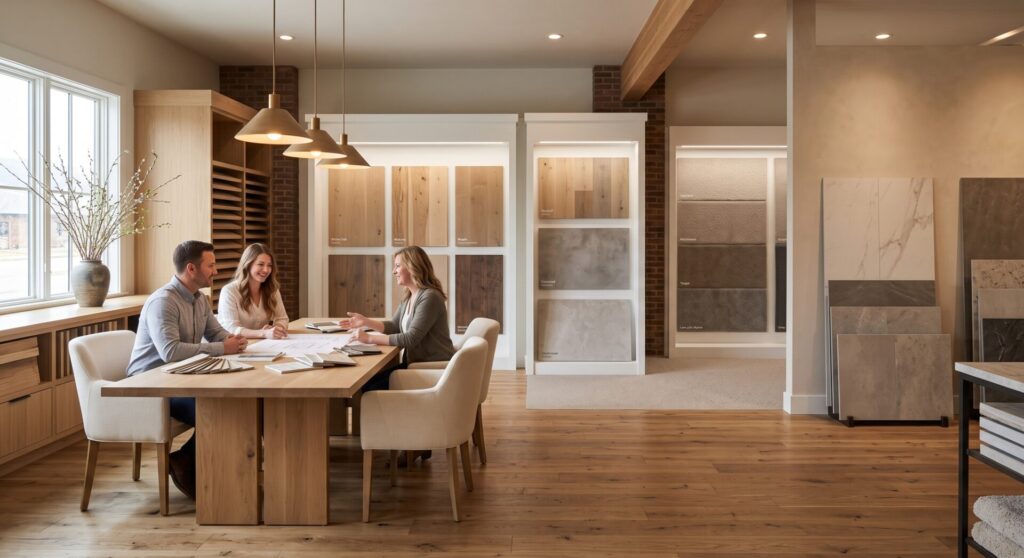
Every older Missoula home is its own project. The University District bungalow needs a different conversation than the South Hills ranch, which needs a different conversation than new construction in the Bitterroot Valley. The Pierce Flooring team at 1906 Brooks Street has been having those conversations across Western Montana for generations.
Schedule a free in-home measurement and the team comes to you — assesses your subfloor, checks your crawl space situation, and recommends products matched to what your house actually needs. Before you visit, try our Roomvo Room Visualizer to see how different floors look in your actual space.
Pierce Flooring & Cabinet Design Center — Missoula
1906 Brooks Street, Missoula, MT 59801
(406) 543-8224
Monday through Friday, 8 AM to 6 PM. Saturday, 9 AM to 5 PM.
Browse engineered hardwood | Browse LVP and SPC | Browse carpet | Schedule free in-home measurement
You Might Also Like
-
- Flooring
October 7, 2026
Commercial Flooring in Billings: What Property Managers and Business Owners Need to Know
-
- Flooring
September 16, 2026
Flooring for New Homes in Ennis and the Madison Valley: What Builders and Homeowners Need to Know
-
- Flooring
August 25, 2026
What Does Waterproof Flooring Actually Mean? A Montana Homeowner’s Guide to LVP Claims
Ready to Transform Your Home?
Contact Us Today to Get Started on Your Dream Space