- Flooring
Spring Flooring Refresh: The Best Flooring Trends for 2026 (And What Actually Works in Billings Homes)
March 16, 2026
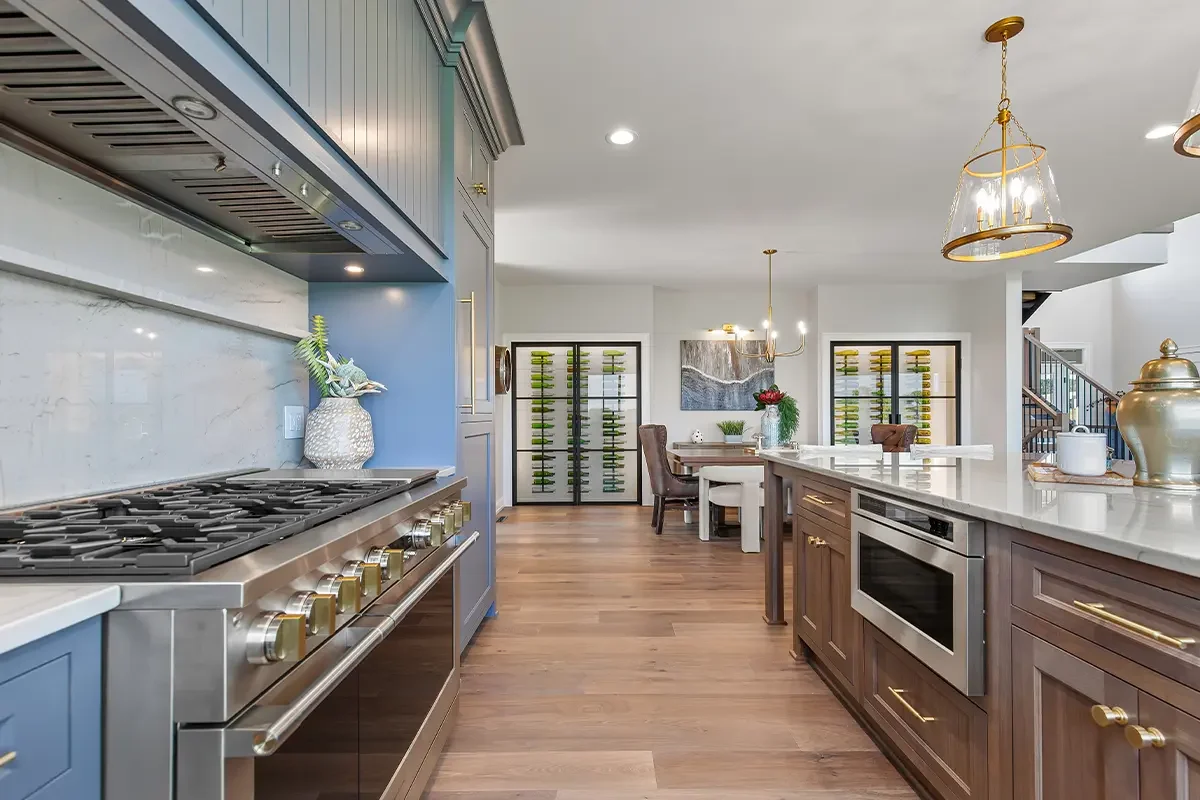
Most Montana homeowners don’t realize that the flooring trends topping national design magazines in 2026 are unusually well-matched to life in Billings. The move away from cool grays toward warm, textured, and natural finishes isn’t just an aesthetic pivot. It’s a practical one, and the reasons why matter when you’re installing floor that has to survive a 36-point swing in relative humidity between January and August.
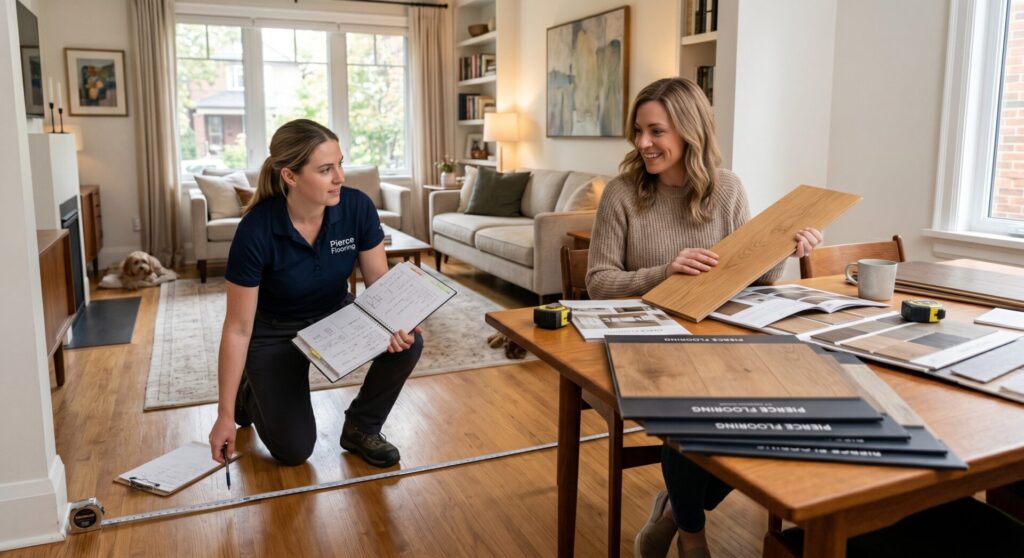
Spring is the most popular time for flooring projects here. Snow is melting, subfloors are stable, and installers have more scheduling flexibility before the summer construction rush locks in. If you’ve been waiting for the right moment to replace the tired carpet in your living room or finally upgrade that builder-grade LVP in your kitchen, this is the window. Schedule your free in-home consultation with Pierce Flooring and get a project plan in hand before the summer backlog begins.
Jump to a section:
- Why Billings Homes Are Different
- The 2026 Trends Worth Knowing About
- What It Actually Costs to Install in Billings
- Seasonal Care for Billings Homes
- How to Choose a Flooring Installer in Billings
- Frequently Asked Questions
Why Billings Homes Demand More From Their Floors Than National Trend Guides Suggest
You can follow every design blog in the country and still end up with a floor that fails in five years if you don’t account for what Billings actually does to building materials. Here’s the climate reality.
Humidity swings are extreme by Montana standards. According to NOAA climate data, Billings relative humidity averages 76% in January and drops to as low as 40% in August. That’s a 36-point seasonal range. For solid hardwood, that’s the difference between acceptable expansion and a floor that cups, gaps, or pops seams. The National Wood Flooring Association recommends maintaining indoor humidity between 35% and 55% for hardwood installations. Billings summers, especially in homes without a whole-house humidification system, routinely fall below that floor.
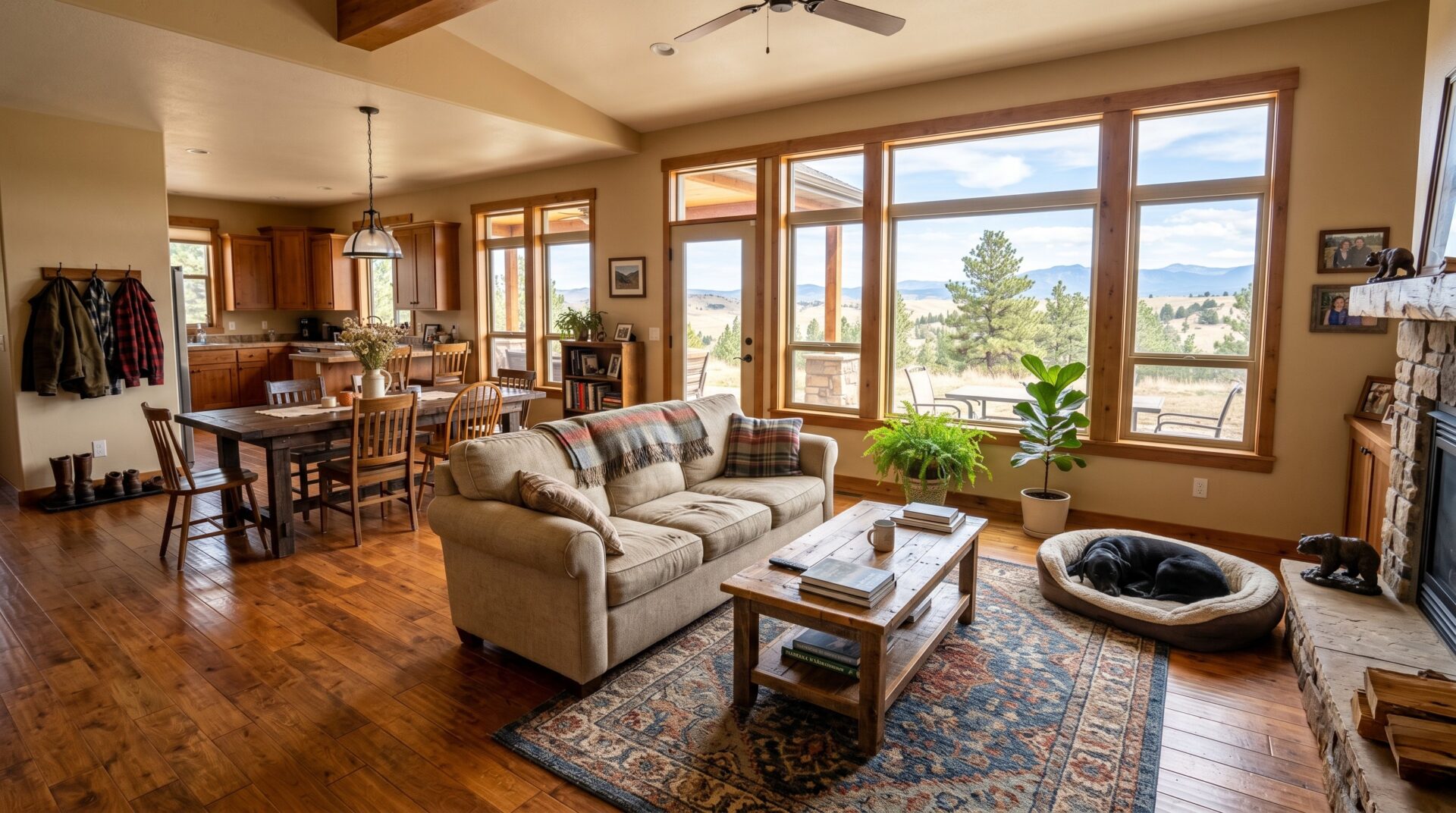
The soil beneath your slab matters more than most people think. The dominant Billings soil series is a fine-silty, calcareous alluvial deposit formed over the Yellowstone River valley floor, rated by USDA/NRCS as moderately slow to slow draining. What that means practically: moisture moves sluggishly through the ground around and under your home’s slab. Homes in the Heights, Lockwood, and riverside areas of Billings frequently show elevated subfloor moisture in spring, when snowmelt from the Rimrocks saturates the soil before it can drain. That moisture wicks upward like water rising through a sponge. Adhesive-down LVT without a moisture barrier in a Lockwood home will start lifting at the seams within two to three years.
Freeze-thaw cycles create subfloor movement that accelerates material fatigue. Billings averages temperatures from 20°F in winter to 90°F in summer, with snowfall measurable from October through April. Seasonal freeze-thaw beneath slab foundations creates micro-movement that cracks grout joints and stresses floating floor lock systems over time. It’s one reason large-format porcelain tile, while trending nationally, requires more substrate preparation here than in a climate with less thermal cycling.
The good news: every top flooring trend for 2026 can work beautifully in a Billings home. The key is knowing which product specifications and installation methods match our environment.
Pro-Tip — Pierce Flooring Billings Team: “In neighborhoods built along the Rimrock-facing slopes in the Heights, we regularly measure subfloor moisture levels 15 to 20 percent higher in early spring than what we find in the same homes by July. Before any installation in that zone, our team runs a full moisture test and addresses the barrier before we ever touch the flooring. If your installer doesn’t ask about moisture before quoting you, that’s a red flag.”
The 2026 Flooring Trends Worth Knowing About (And How They Translate to Real Montana Homes)
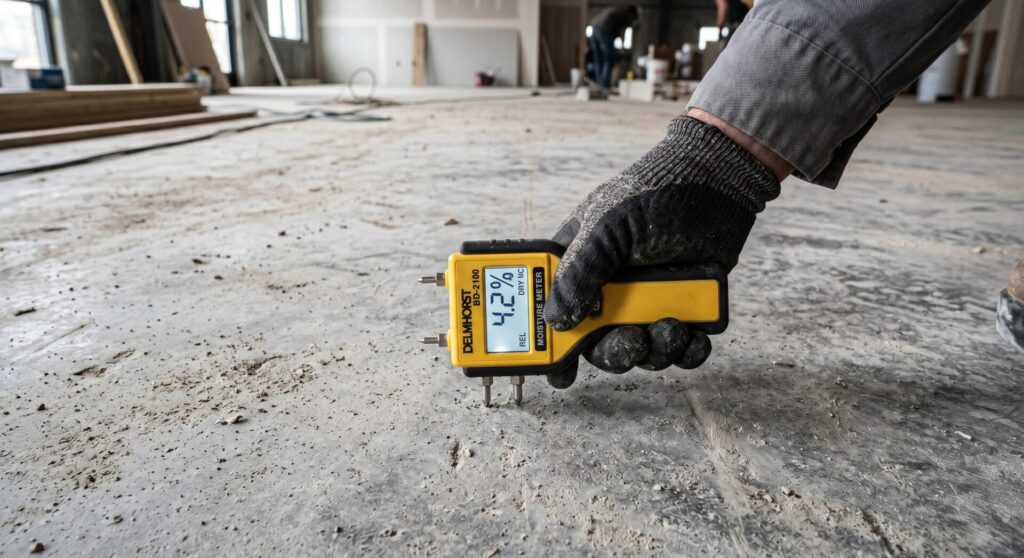
Designers are calling the dominant aesthetic shift of 2026 “Organic Modern”: a pairing of natural materials and textures with clean, unfussy layouts. For Billings homeowners, the timing is good. The products leading this shift also happen to be the ones best suited to Montana’s climate demands.
Warm Wood Tones Are Back in Strength
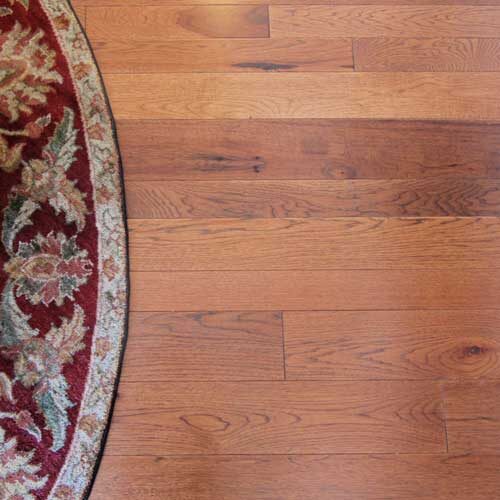
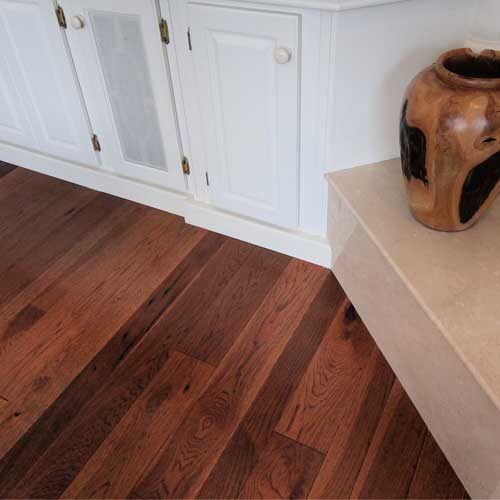
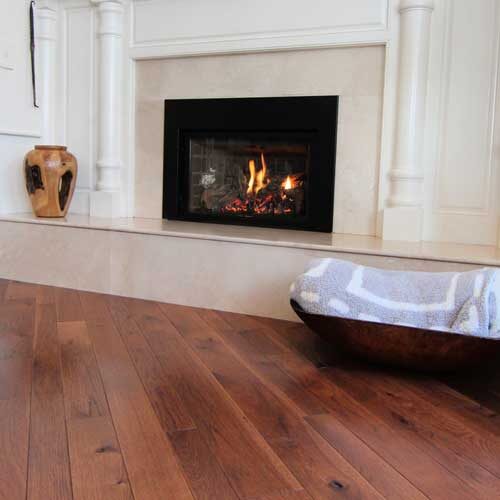
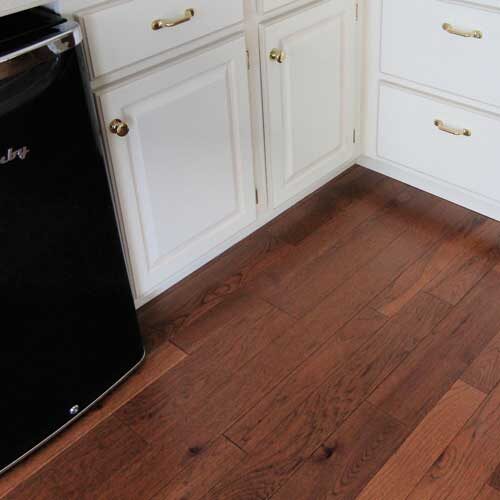
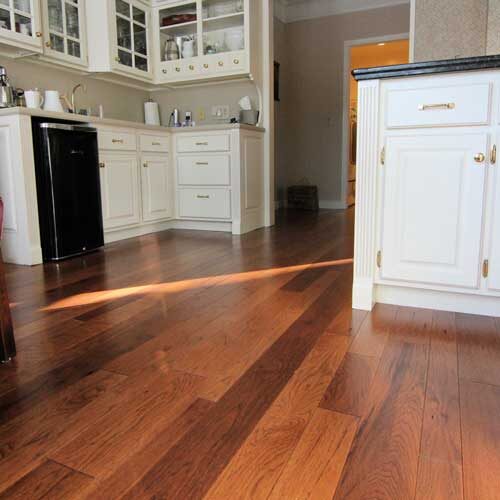
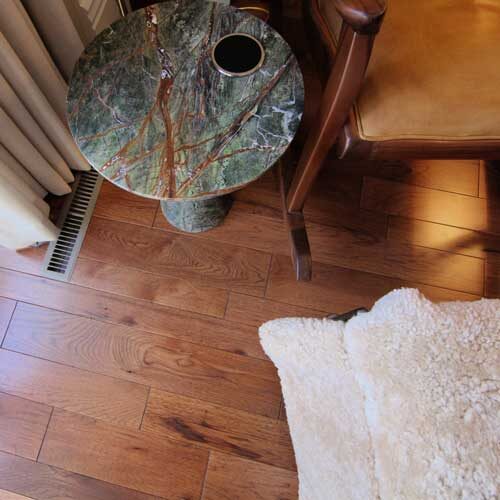
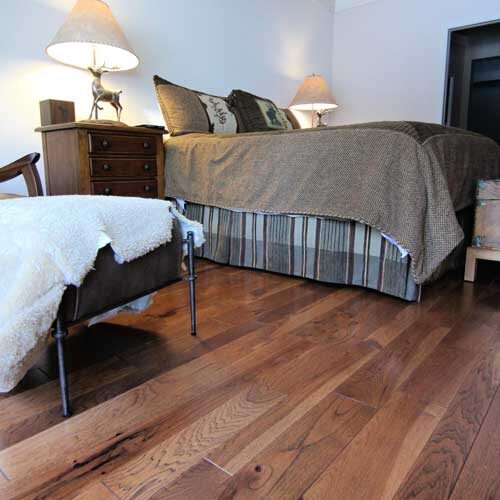
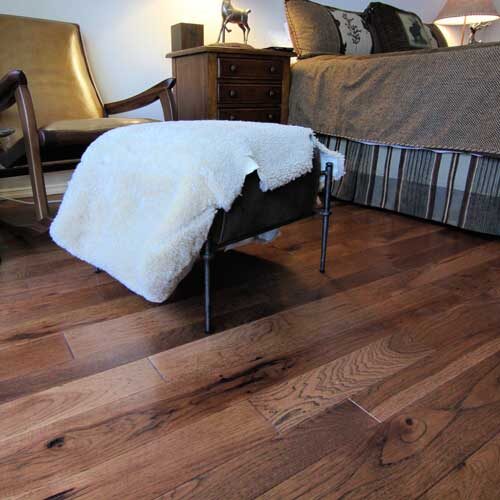
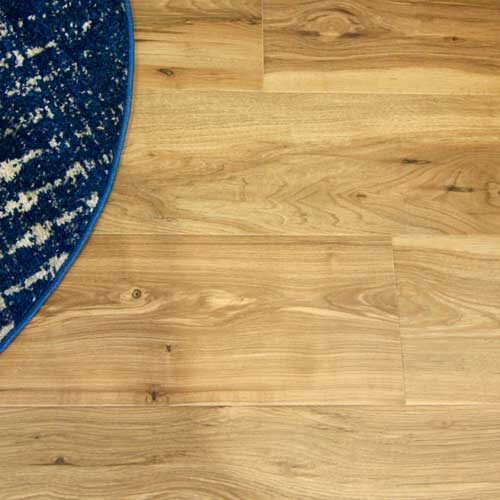
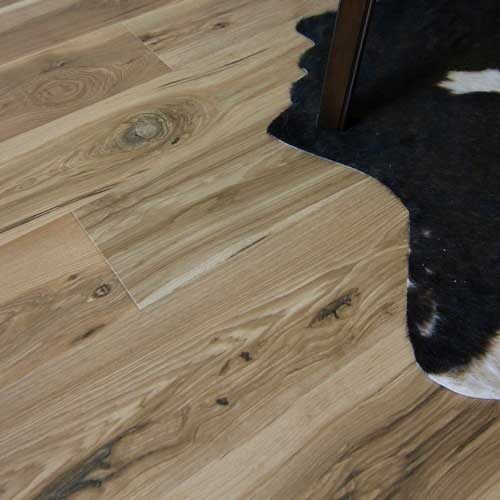
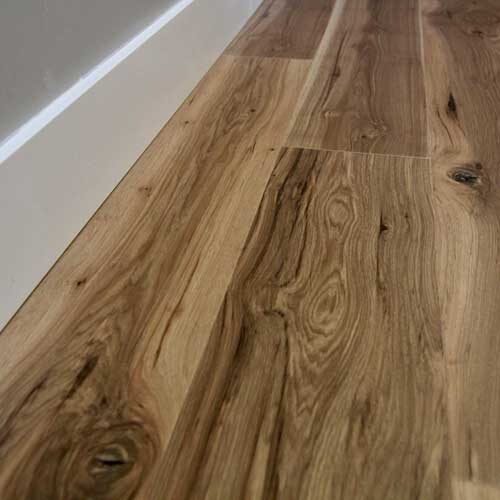
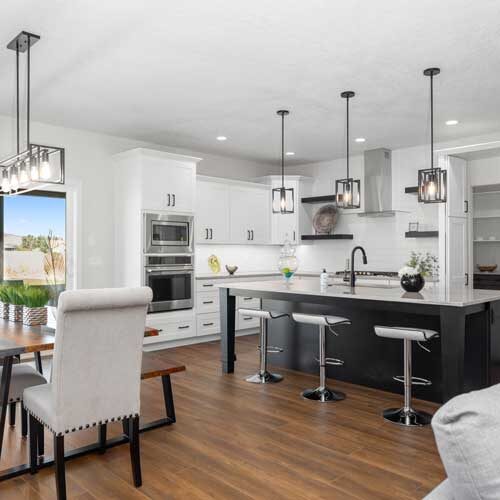
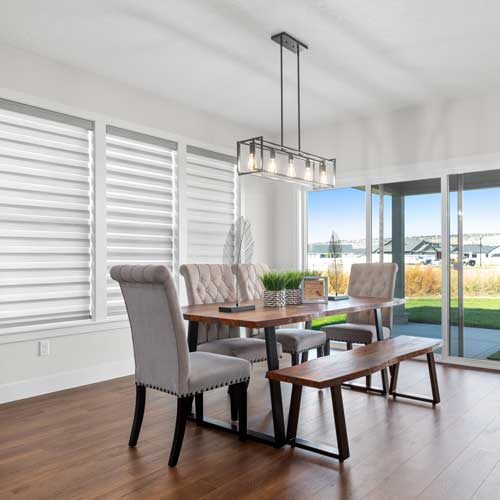
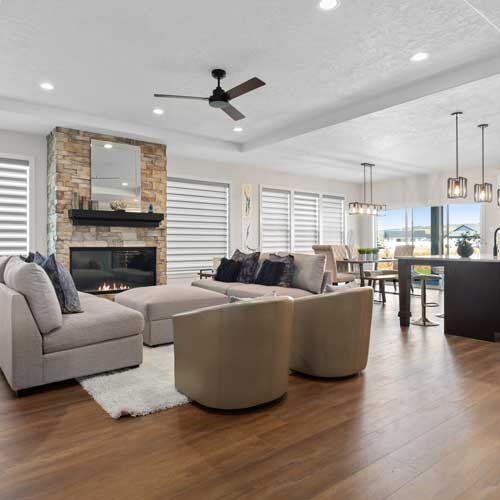
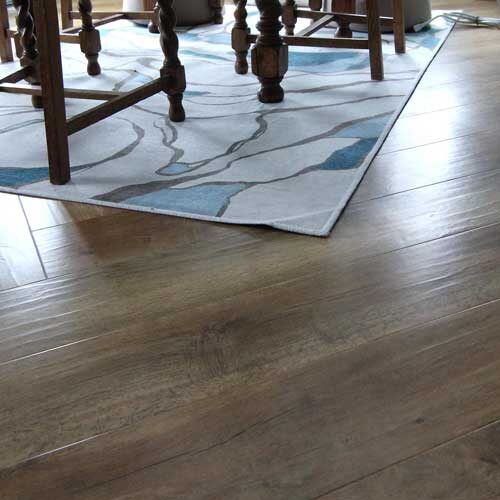
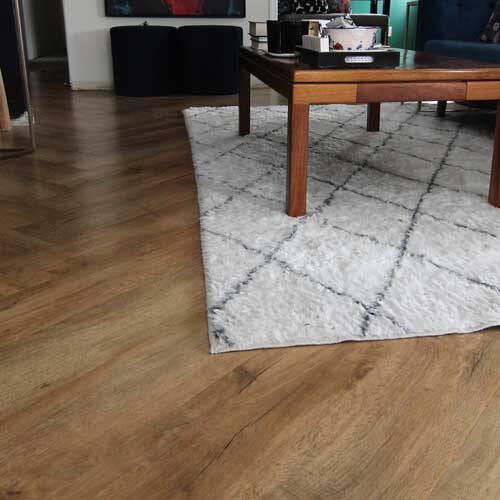
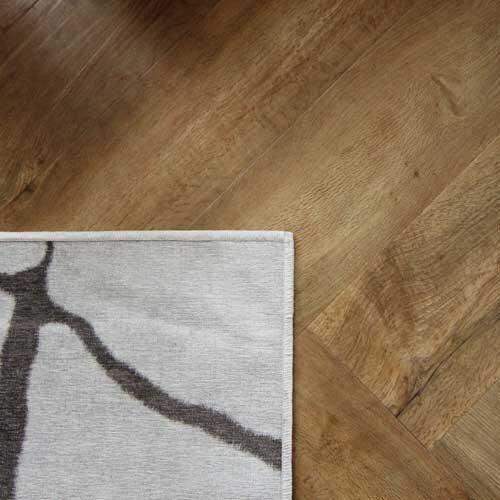
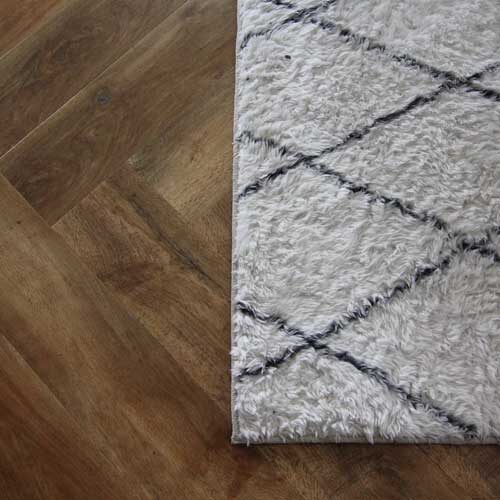
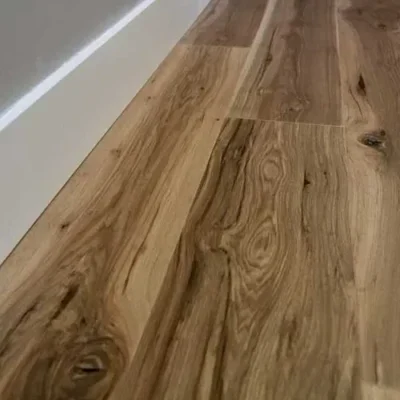
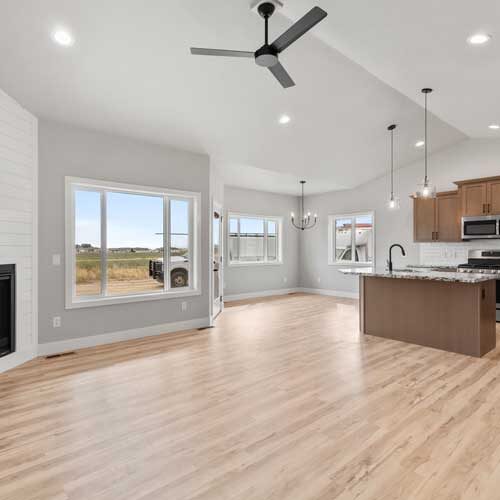
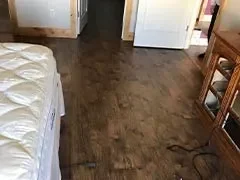
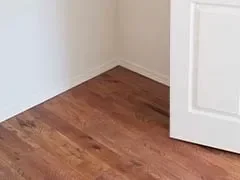
The cool-gray hardwood era that defined the 2010s is over. The replacement isn’t a dark espresso stain. It’s warmer and more natural: honey oak, caramel maple, amber chestnut, and lighter natural ash tones. These finishes photograph well in the open floor plans common in newer Billings builds and hold up visually better than gray tones as they age.
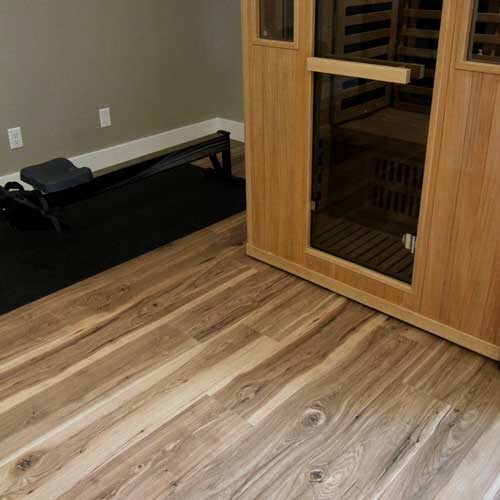
Wire-brushed and hand-scraped surface textures are especially prominent in 2026, and not just for looks. Textured finishes hide everyday wear better than smooth surfaces, which matters in Billings households where tracked-in grit from gravel roads and dry soil is a year-round reality. Anderson Tuftex and Kahrs, both carried at our Billings showroom, have led the move into these wire-brushed, naturally finished engineered hardwood styles.
Engineered hardwood is the smarter choice for Billings over solid hardwood in most applications. It handles our humidity swings better because the cross-ply construction limits the expansion and contraction that causes gapping and cupping in solid planks. For rooms over a slab or in areas with any history of moisture, the argument for engineered over solid becomes even stronger.
Wide planks, 5 inches and up, continue to dominate the design conversation. The “what are the best wide plank flooring widths for small rooms?” question comes up constantly at our showroom. We cover the full answer in our 4 flooring tips for small rooms, but the short version is counterintuitive: wider planks often make a room feel larger, not smaller, because fewer seams break up the visual field. In a standard Billings living room with 9-foot ceilings, a 7-inch plank in a warm amber tone reads as spacious rather than overwhelming.
Next-Generation LVP: Better Performance, Better Indoor Air Quality
Stone Plastic Composite (SPC) flooring is the refined version of luxury vinyl that dominates 2026 recommendations, and it’s a near-perfect match for Billings conditions. The rigid core handles subfloor imperfections better than older LVP, which matters in homes with the slight unevenness common in older Heights and Billings Heights neighborhoods. Its rigid core is impervious to water damage, making it the right choice for spaces prone to moisture events.
SPC also resists the adhesive-bond failures that affect glue-down vinyl during seasonal moisture swings. Think of the rigid core as a shock absorber sitting between your finish floor and whatever the subfloor does through a Montana winter.
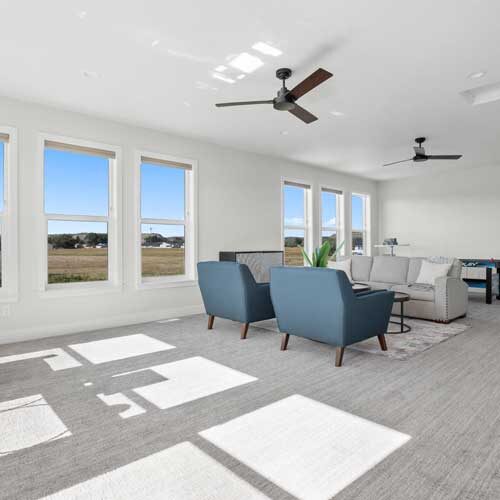
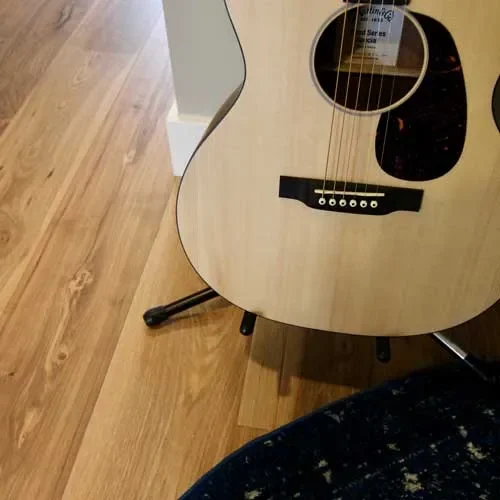
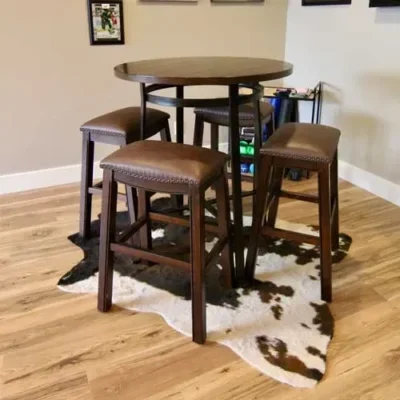
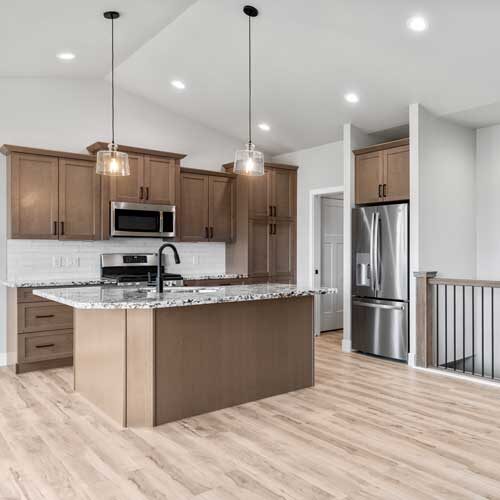
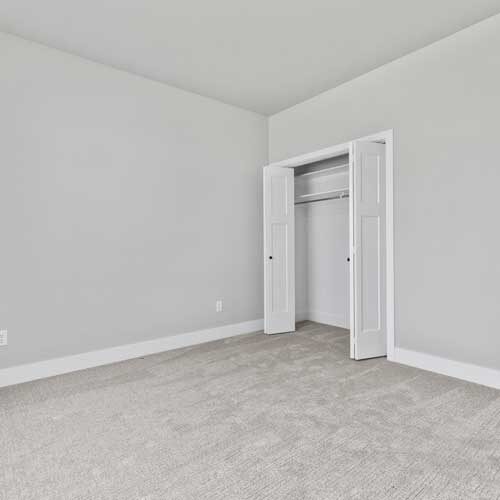
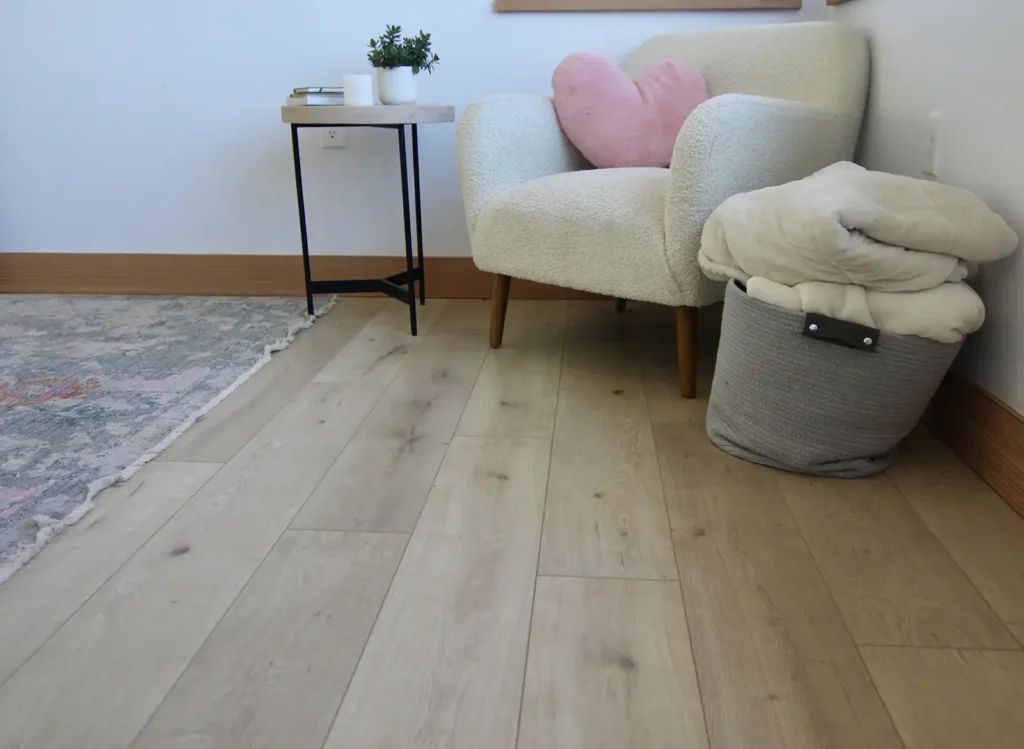
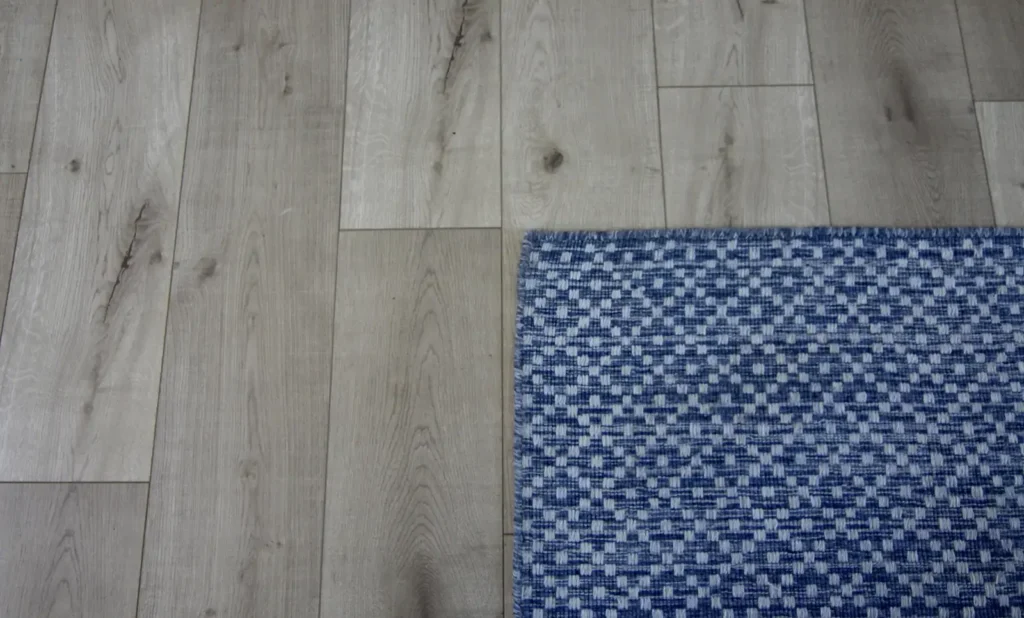
The aesthetic shift in luxury vinyl plank for 2026 mirrors the hardwood trend: away from cool grays and toward warm taupes and greige tones with low-gloss, matte finishes that mimic natural hardwood credibly. Greige to warm taupe is the transition happening in most projects coming through our showroom this spring.
For families with kids, dogs, or high-traffic use, SPC luxury vinyl plank with low-VOC certification deserves specific attention. Newer SPC products from brands like Cali and Mannington carry Greenguard Gold certification, meaning they meet strict indoor air quality standards. This matters particularly in Billings homes that are tightly sealed through our long winters.
“We see a lot of customers come in thinking they need to choose between durable and beautiful,” says Kimberly Wynia, Store Manager at Pierce Flooring’s Billings King Avenue location. “The SPC products we’re carrying in 2026 have closed that gap. The texture and tone options are genuinely stunning, and the performance specs are better than anything we’ve seen in this category.”
Large-Format Porcelain Tile and the Checkerboard Entryway Trend
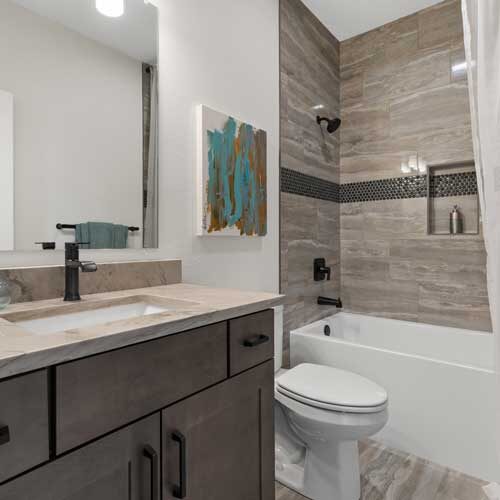
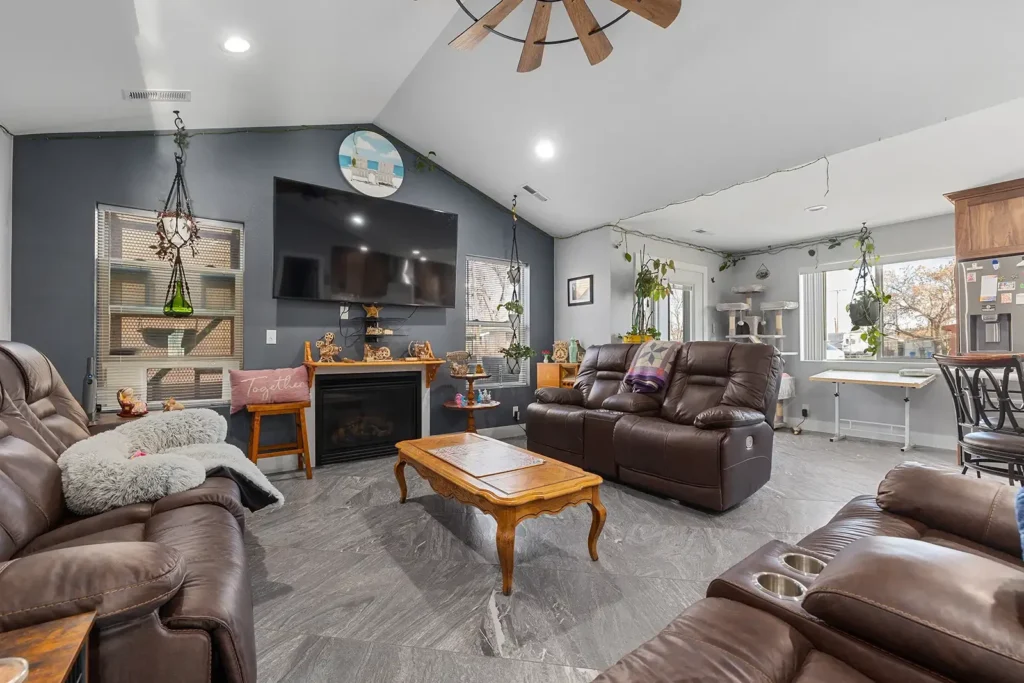
Large-format porcelain tile, 24×24 and larger, is a top flooring trend for 2026 in kitchens, mudrooms, and entryways. The visual appeal is clear: fewer grout lines, cleaner look, and easier maintenance. In Billings homes where spring mud season means entryways take serious abuse, the reduced grout line count is practical, not just aesthetic.
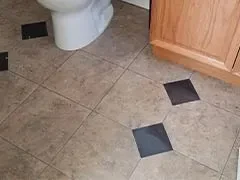
The checkerboard tile entryway trend, featuring alternating neutral tones rather than the classic black-and-white, is showing up in remodel projects at a notable rate this spring. It works especially well in the older craftsman-style homes near downtown Billings and in the historic neighborhoods around 1st and 2nd Avenues.
The honest caveat for Billings installations: large-format tile on a slab with significant freeze-thaw cycling requires a polymer-modified large-and-heavy-tile (LHT) mortar and, in most cases, an uncoupling membrane such as Schluter DITRA to isolate the tile from subfloor movement. Any subfloor flex shows up as hollow spots and rocking tiles within a year if the substrate isn’t dead flat and properly decoupled. Ask your installer specifically about their large-format tile substrate process, including uncoupling membrane use, before you commit.
Terracotta tile kitchen trends are also gaining traction nationally and translate well to Billings’ embrace of warmer, earthier interior palettes. True terracotta requires sealing and more maintenance than porcelain, but the glazed terracotta-look porcelain options available through brands like MSI and Happy Floors, both carried at Pierce Flooring, give you the aesthetic without the upkeep overhead.
Sustainable Flooring: Beyond Greenwashing
“How do I choose sustainable flooring on a budget?” is one of the most common questions coming through our showroom and website this spring. The sustainable flooring conversation in 2026 has matured past marketing claims into something more specific.
Natural cork and linoleum flooring are seeing a meaningful resurgence nationally. Cork provides natural thermal and acoustic insulation, which matters in our cold winters, and is worth exploring if sustainability is your primary driver. Recycled PET carpet, made from post-consumer plastic bottles, is the other sustainability story gaining traction in 2026. It outperforms many traditional fibers in stain resistance and holds its appearance well in high-traffic spaces. Our team can help you identify SPC and recycled PET carpet options that deliver strong environmental performance and hold up to Montana’s climate demands.
The concept of bringing natural materials and organic forms into interior spaces is what designers call biophilic flooring design, and it’s the aesthetic framework tying these sustainability trends together. In practice, it means materials that look and feel like they came from nature: visible wood grain, stone texture, tactile surfaces you want to walk on in bare feet.
“What we’re seeing is that sustainability and performance have finally converged,” says Derrick Tokar, Store Manager at World Famous Carpet Barn. “Customers no longer have to sacrifice durability for a greener choice. The recycled PET carpet and Greenguard-certified SPC products we carry today hold up as well as anything we’ve installed in the last decade.”
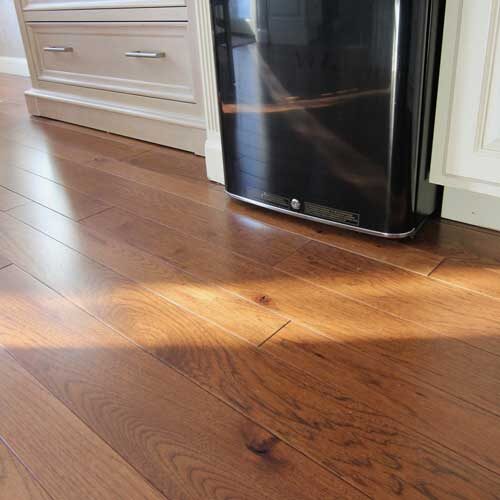
“All of the staff at Pierce Flooring and Design were very knowledgeable and helpful in our decisions on choosing the perfect hickory laminate flooring, transition pieces and underlayment. All of Renee and Tracy’s suggestions were spot on.” B.M., Billings — Laminate Flooring Project
What Flooring Trends Actually Cost to Install in Billings, MT (2026 Estimates)
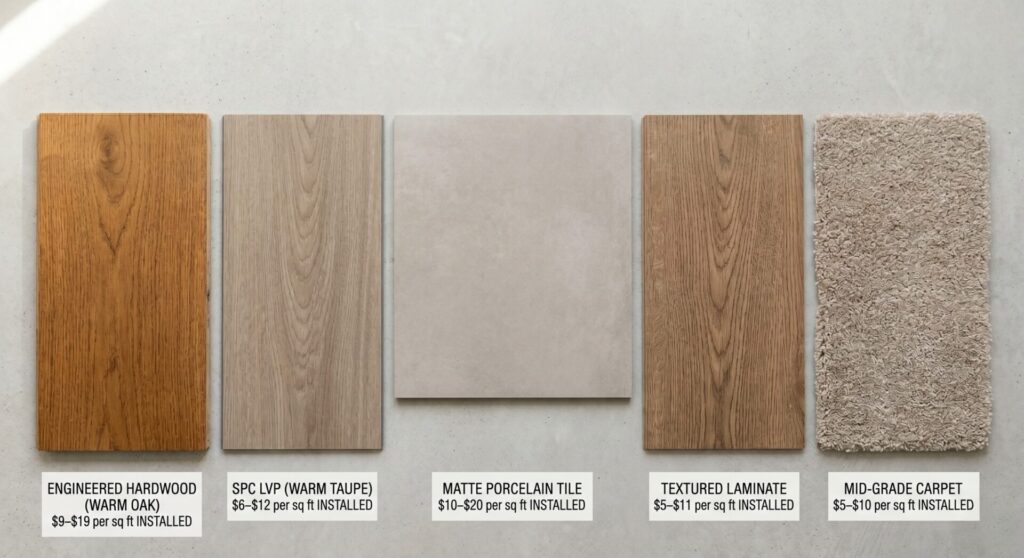
National cost guides are consistently wrong for Montana. Material shipping costs to Billings, regional labor rates, and our specific subfloor prep requirements all drive installed costs above national averages. The table below reflects Pierce Flooring project estimates for the Billings market, March 2026. These are installed costs, material and labor combined, for typical residential spaces.
| Flooring Type | Material (per sq ft) | Labor (per sq ft) | Total Installed | Billings Notes |
|---|---|---|---|---|
| Engineered Hardwood | $5–$12 | $4–$7 | $9–$19 | Budget extra for moisture barrier on slab jobs |
| SPC / LVP (mid-grade) | $3–$7 | $3–$5 | $6–$12 | Subfloor leveling common in older homes; add $1–$2/sq ft |
| Waterproof Laminate | $2–$6 | $3–$5 | $5–$11 | Good value for above-grade rooms; not recommended on slab |
| Porcelain Tile — Standard | $3–$8 | $7–$12 | $10–$20 | Standard format; freeze-thaw prep critical |
| Porcelain Tile — Large-Format | $5–$12 | $10–$16 | $15–$28 | LHT mortar + uncoupling membrane required; plan accordingly |
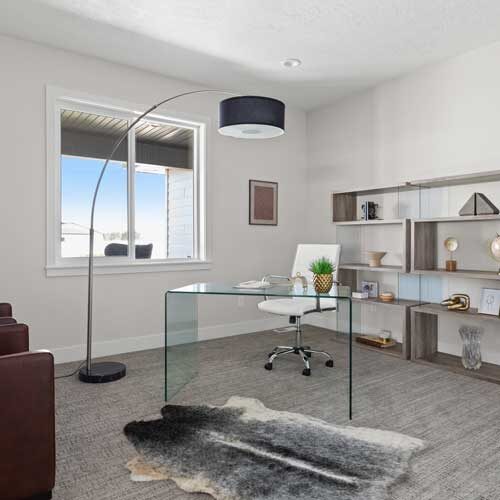
| Carpet (mid-grade) | $2–$5 | $3–$5 | $5–$10 | Pad quality significantly affects longevity; don’t cut here |
(Based on Pierce Flooring project estimates, Billings, MT — March 2026. Actual project costs vary based on room size, subfloor condition, material selection, and access. Always request a detailed in-home estimate before committing.)
The largest wildcard in any Billings project is subfloor condition. Homes built on the Billings bench, many dating from the 1950s through 1980s, frequently show subfloor deflection, moisture damage, or both. A project that looks simple from a square footage calculation can add $500 to $1,500 in subfloor prep costs that an online estimate or big-box quote never captures.
Getting the price right is only half the equation. What happens after installation determines whether that investment holds up through Billings winters. The maintenance and installer vetting sections below are worth reading before you sign anything.
Want a quote built around your actual space? Visit our showroom this week. Our project managers measure for free and build estimates that account for what’s actually under your feet.
Living With Your New Floor: Seasonal Care for Billings Homes
The installation is only the beginning. How you maintain your floor through Billings’ seasonal extremes determines whether it looks good at year five or year fifteen.
Winter care, November through March. Humidity inside Billings homes drops significantly during heating season. Forced-air heat pulls moisture out of indoor air fast, and your hardwood or laminate responds by contracting. The National Wood Flooring Association recommends maintaining indoor humidity between 35% and 55% to prevent gapping and cracking in wood floors. In Billings, where indoor RH can drop below 25% during the coldest weeks, a whole-house humidifier or room humidifiers near hardwood installations are not optional. Use entry mats at every exterior door, and consider felt-pad furniture protectors throughout winter when grit and micro-debris tracked in from dry pavement act as sandpaper on hardwood finishes.
Spring and early summer. This is the highest-risk season for subfloor moisture events. Snowmelt in April and May, combined with Billings’ slow-draining soil, creates the conditions most likely to show up under your slab as elevated moisture. If you have adhesive-down LVT or hardwood over a crawl space, have a professional check your moisture levels at the start of each spring, especially in years with heavy snowpack. Catching a moisture problem in April is a maintenance call. Catching it in August after the floor has buckled is a replacement project.
Summer maintenance. Billings summers are drier than most homeowners expect. Outdoor relative humidity can drop to 40% in July and August, and tightly sealed, air-conditioned homes can go lower still. That low indoor RH causes wood floors to contract and gap. If your HVAC system is over-drying the interior, run a humidifier to maintain 40 to 45 percent indoor RH. For LVP and tile, summer is low-drama. Focus on keeping grit off the surface with regular dry mopping, since fine road dust is an abrasive that dulls finishes faster than almost any other maintenance failure.
The one maintenance mistake that silently shortens floor life in Billings: using too much water when cleaning. Steam mops and wet mopping, even on “waterproof” laminate and luxury vinyl plank, drive moisture and heat into seams and edges over time, causing delamination in click-lock systems. Use only manufacturer-approved, pH-neutral cleaners and a barely damp mop. Alkaline cleaners, including many “natural” all-purpose products, strip aluminum oxide finish over time and accelerate dulling regardless of how gently they’re applied.
“Pierce Flooring was excellent to work with. Eric answered all my questions and made excellent suggestions when we told him what we were looking for. Leo’s crew did a great job finishing the work in 2 days. They removed the old carpet and placed the new and cleaned everything up. All we had to do was admire the beautiful carpet.” Pierce Flooring Customer, Billings — New Carpet Installation
How to Choose a Flooring Installer in Billings, MT: What to Ask Before You Sign Anything
The right flooring product matters. The right installer matters more. Here’s a practical checklist for vetting anyone who wants to work in your home.
Before the quote, ask about subfloor assessment. Any reputable installer should ask to see your subfloor before providing a final price. A firm quote based on square footage alone, without asking about subfloor condition, is an incomplete quote. Changes in subfloor prep are the single most common source of “the project went over budget” complaints in flooring, and they’re almost always avoidable with an upfront site visit.
Ask specifically about moisture testing. In Billings, moisture testing before installation is not optional. For concrete slabs, the industry standards are the ASTM F1869 calcium chloride test for surface vapor emission and the more precise ASTM F2170 in-situ relative humidity probe method, which measures moisture at depth within the slab and is the currently preferred approach. For wood subfloors, a calibrated pin-type moisture meter is standard. Ask your installer which method they use and whether they document the results.
Watch for these red flags in a quote. No in-person site visit before the estimate. Vague or missing warranty language on installation. No mention of an acclimation period for hardwood. In Billings’ climate, materials need a minimum of 5 to 7 days in your home before installation. Quotes significantly below the market ranges in the table above usually signal that subfloor prep has been excluded entirely.
At Pierce Flooring, every project begins with a free in-home measurement by a project manager who assesses the subfloor condition as part of the consultation. Our Pierce Promise covers installation errors for a full year and backs manufacturer defect claims for the life of your floor. If something goes wrong, you make one call to a team you already know, not a claim to a manufacturer you’ve never spoken to.
Frequently Asked Questions: Flooring Trends 2026 in Billings, MT
How much does it cost to install new flooring in a Billings, MT home in 2026?
For a typical 400 sq ft living room, expect $2,400 to $4,800 for SPC/LVP, $3,600 to $7,600 for engineered hardwood, and $4,000 to $8,000 for standard porcelain tile, all installed. Large-format porcelain tile with proper uncoupling membrane runs higher, typically $6,000 to $11,200 for the same space. Subfloor prep, material upgrades, and furniture removal can add to those numbers. The most accurate way to budget is with a free in-home estimate from a local installer who has seen your subfloor.
Billings has extreme humidity swings. Does that rule out hardwood floors?
It doesn’t rule them out, but it does require planning. Engineered hardwood handles Billings’ 36-point seasonal humidity swing significantly better than solid hardwood because the cross-ply construction limits expansion and contraction. Pair engineered hardwood with a whole-house humidifier to maintain 35 to 55 percent indoor RH, and it’s a floor that can last decades here. Solid hardwood is viable in above-grade rooms with good HVAC control; it’s higher-risk on slabs or in areas prone to spring moisture intrusion.
What does the installation process look like, from first call to finished floor?
At Pierce Flooring, here’s the typical sequence: initial showroom visit or in-home consultation, free measurement and subfloor assessment, material selection and estimate, product order and acclimation period (5 to 7 days minimum for hardwood in Billings’ climate), installation by licensed and insured installers, post-install walkthrough, and Pierce Promise enrollment. Most residential projects run 1 to 3 days of installation time once materials are ready. The full process from first call to finished floor is typically 3 to 6 weeks depending on product lead times.
How do I know when my existing floor needs replacing versus refinishing or repairing?
For hardwood, the rule of thumb is three to five refinishes over a floor’s lifetime. If the wood is below 3/4 inch thick or shows deep structural damage, replacement is more cost-effective. For LVP and laminate, once the wear layer is through and bare core is visible, replacement is the only option. Carpet with compressed, matted fibers that don’t bounce back with cleaning is typically past its useful life. Our project managers can walk through your existing floor during a free in-home visit and give you an honest read on repair vs. replace.
I keep seeing “gray floors are out” — is that true, or is it just hype?
It’s mostly true. The cool blue-gray floors that dominated installations from 2012 to 2022 are being replaced by warmer neutrals: greige, warm taupe, honey tones, and natural beige. The shift isn’t total, since mid-tone grays still work in contemporary spaces with cool-toned fixtures and cabinetry. If you’re installing new flooring in 2026 with an eye toward resale value and longevity, warmer tones will read more current for longer. See what looks right in your actual space using the Pierce Flooring Room Visualizer before you commit. And if you’re adding an area rug as part of the refresh, our area rug placement guide covers how to anchor warm-toned floors with the right rug size and placement.
Ready to See What 2026’s Best Floors Look Like in Your Home?
The spring install window in Billings closes faster than most homeowners expect. Once summer construction season hits full stride, installer schedules fill quickly and lead times on popular products extend.
Pierce Flooring & Cabinet Design Center is at 2950 King Ave W, Billings, MT 59102. Call us at (406) 652-4666 or stop in any day this week. No appointment needed to walk the showroom, and our project managers are available for free in-home measurements at your convenience.
We’ve been part of this community since 1924. Our team knows Billings subfloors, Billings weather, and which products actually hold up here. If you’re ready to explore the flooring options worth considering for your home this spring, come see them in person.
You Might Also Like
-
- Flooring
October 7, 2026
Commercial Flooring in Billings: What Property Managers and Business Owners Need to Know
-
- Flooring
September 16, 2026
Flooring for New Homes in Ennis and the Madison Valley: What Builders and Homeowners Need to Know
-
- Flooring
August 25, 2026
What Does Waterproof Flooring Actually Mean? A Montana Homeowner’s Guide to LVP Claims
Ready to Transform Your Home?
Contact Us Today to Get Started on Your Dream Space